.jpg "dental crowns")
A smile is more than just an expression—it’s a reflection of confidence, health, and identity. Yet, damaged, discolored, or misshapen teeth can hold you back, affecting not just your oral function but also your self-esteem. Fortunately, modern dentistry offers a powerful solution: dental crowns. Often called "caps," crowns are custom-designed restorations that cover a tooth entirely, bringing back its natural appearance and strength. In this blog, we’ll explore how crown dental treatments go beyond repair to revitalize your smile, functionality, and confidence.
Benefits of Dental Crowns
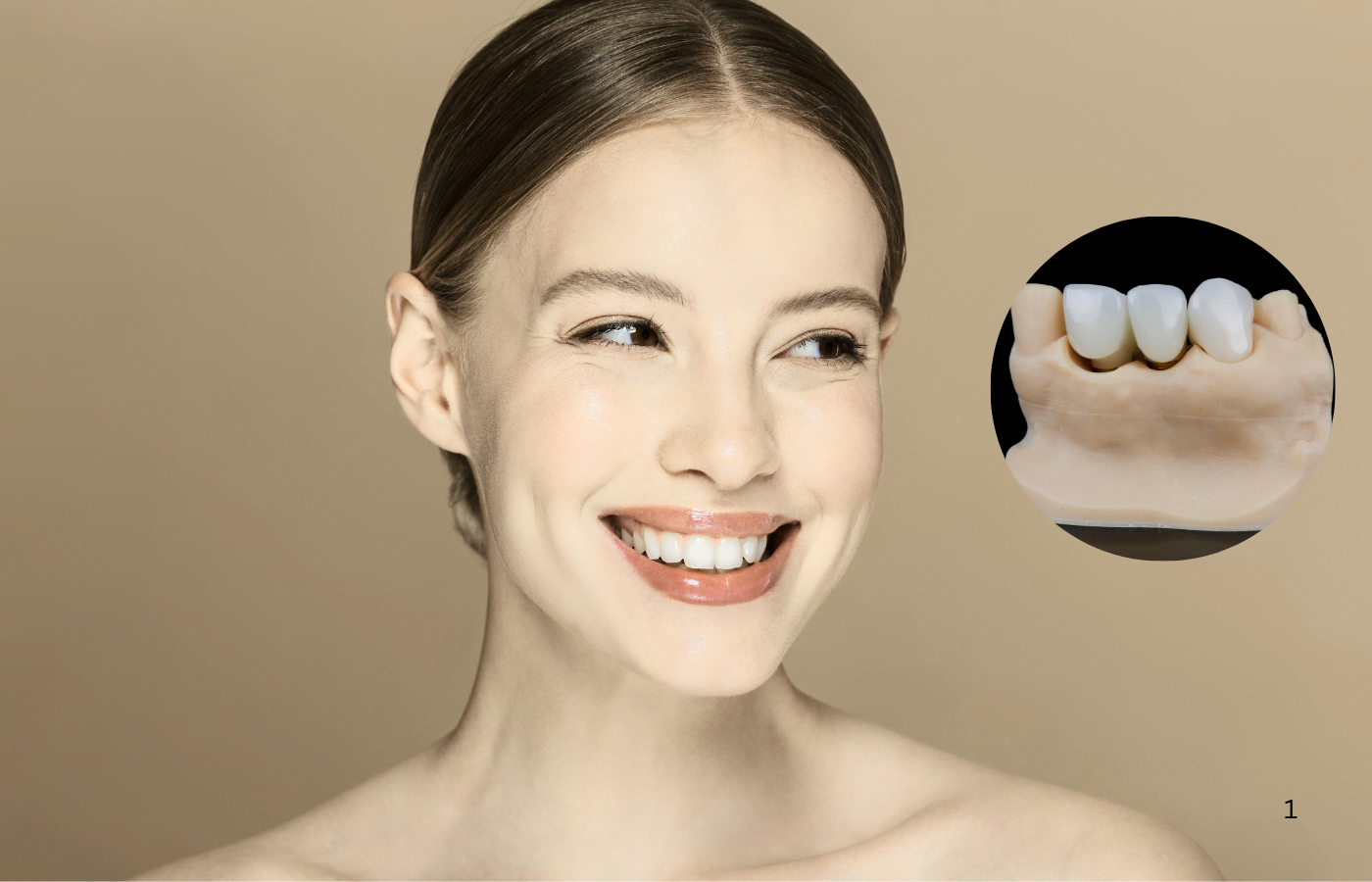
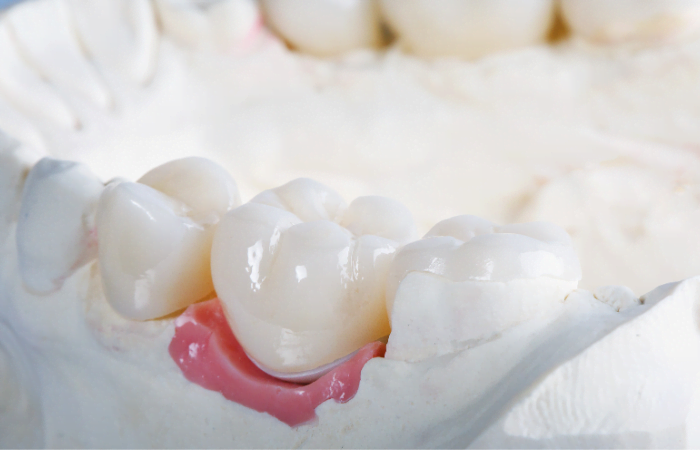
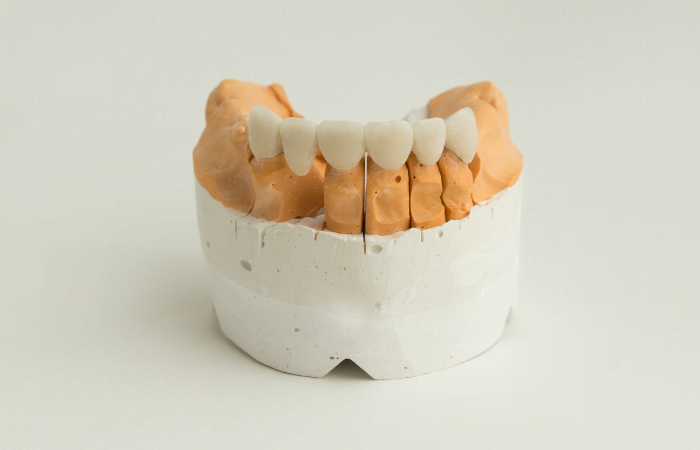
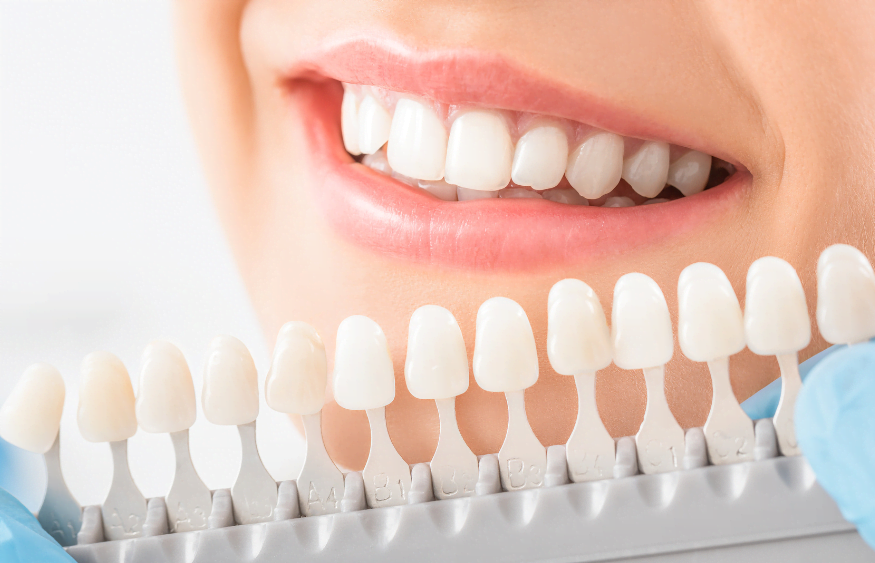
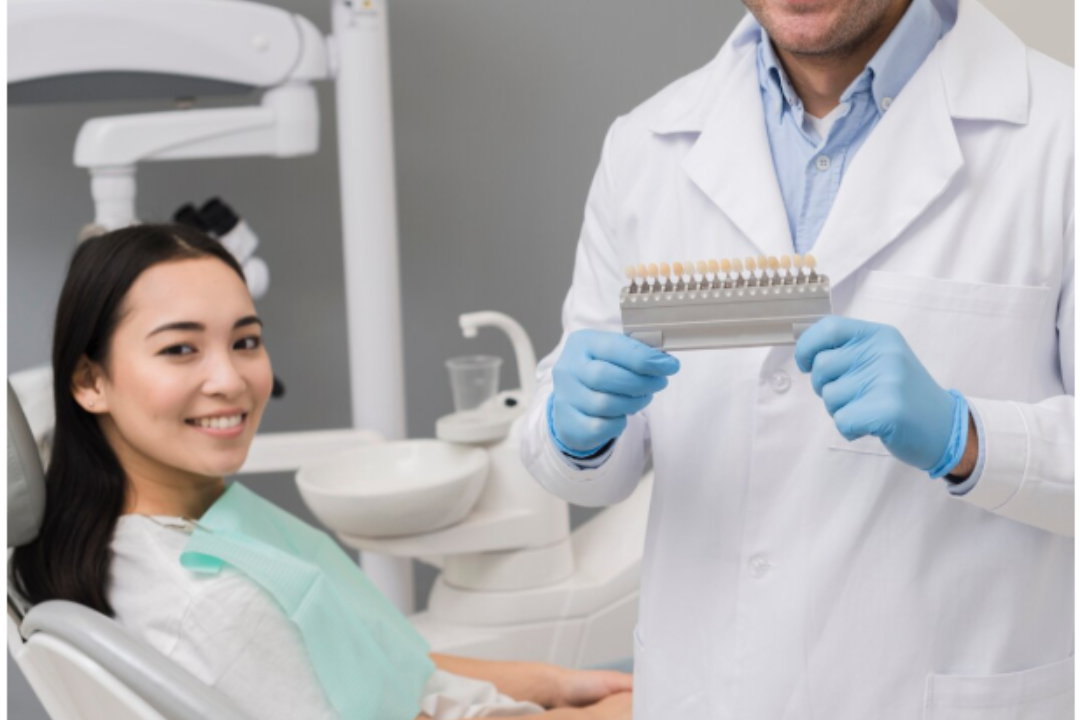
Beauty & Aesthetics: Crowns are custom-made to match the shade, shape, and size of your natural teeth. Materials like porcelain and zirconia mimic the translucency of real enamel, ensuring your smile looks flawless and natural.
Restored Function: With a crown dental restoration, you can eat, speak, and chew without pain or hesitation. Crowns reinforce weakened teeth, allowing you to enjoy your favorite foods with confidence.
Boosted Self-Esteem: A restored smile often translates to greater self-assurance in social and professional settings. No more hiding your teeth or feeling self-conscious—crowns help you smile freely.
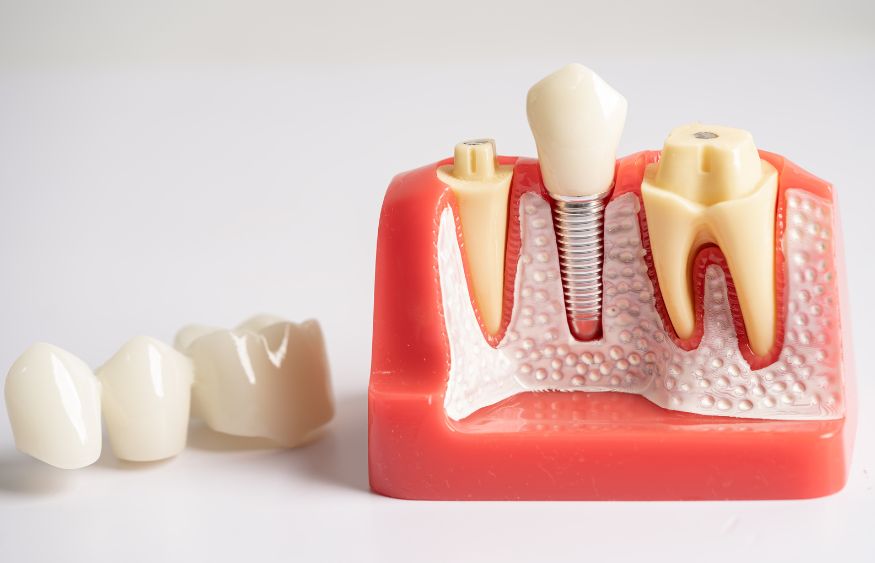
Long-Term Protection: By sealing a damaged tooth, crowns prevent further decay or fracture, potentially saving you from more extensive procedures like extractions or implants.
Types of Dental Crowns: A Comparison
Not all crowns are the same. The right choice depends on your needs, budget, and location in the mouth.
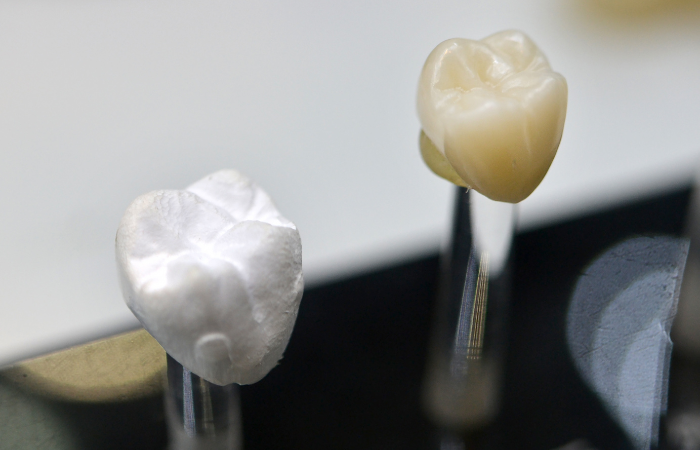
Porcelain Crowns: Excellent for front teeth due to their natural appearance. They are stain-resistant and blend beautifully with adjacent teeth.
Zirconia Crowns: Known for exceptional strength and aesthetics, suitable for both front and back teeth.
Porcelain-Fused-to-Metal (PFM): Durable with a natural look, though a dark line may appear at the gum over time.
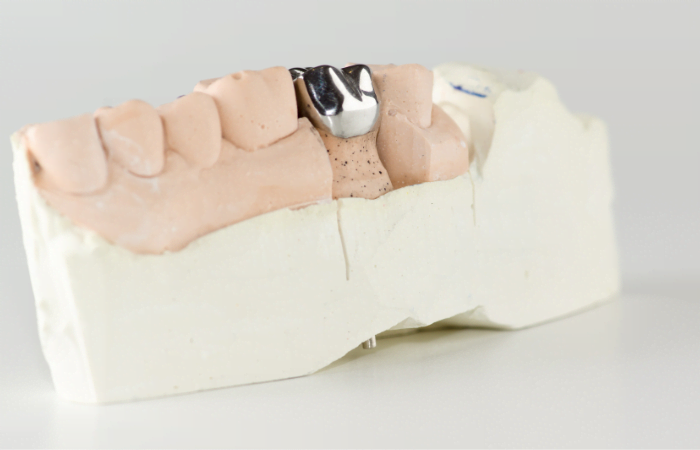
Metal Crowns: Extremely strong and long-lasting, often used for molars, but their metallic color makes them less aesthetic.
Costing in Diagnopein: What to Expect
The dental crown cost varies based on material, location, and complexity. On average, crowns range from $800 to $2,500 per tooth. Factors influencing cost include:
Material (porcelain, zirconia, metal)
Dental lab fees
Geographic location of the practice
Additional procedures (e.g., root canal, build-up)
Comfort and Procedure: What to Expect
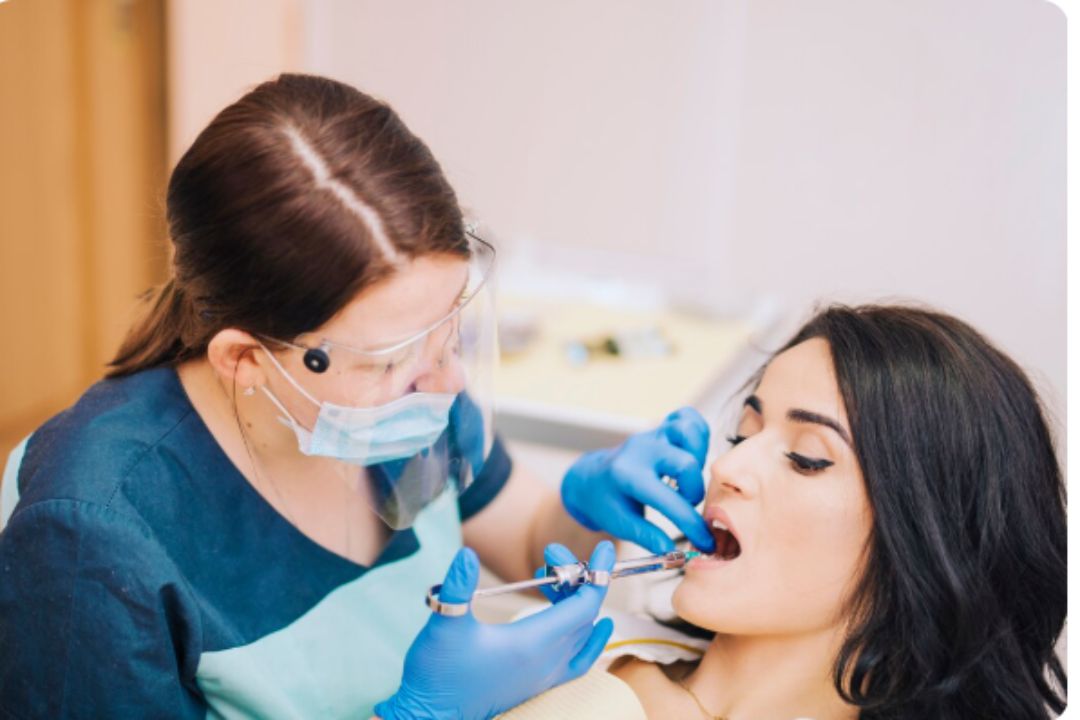
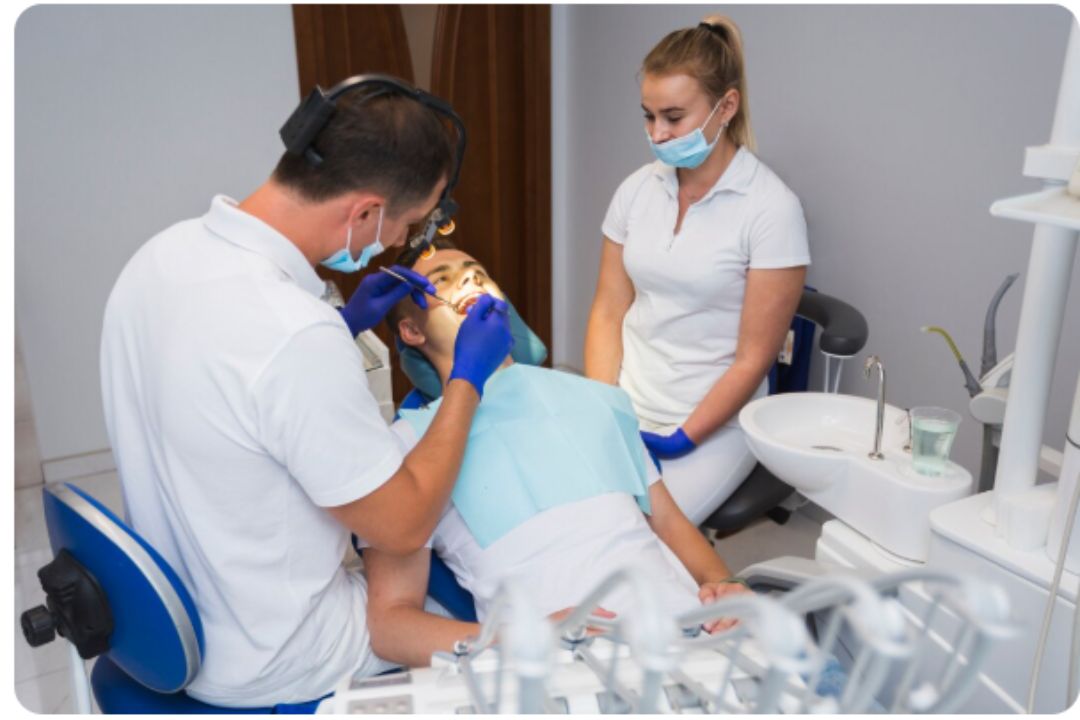
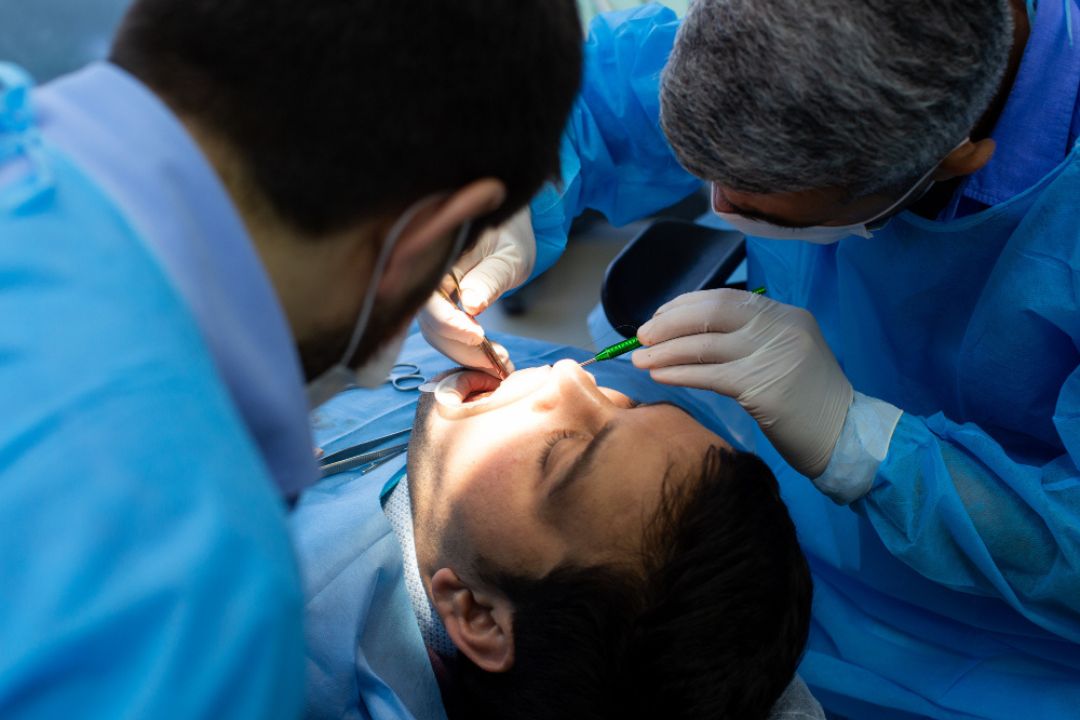
Many patients worry about discomfort during the tooth crown procedure. However, modern techniques ensure a comfortable experience. The process typically involves:
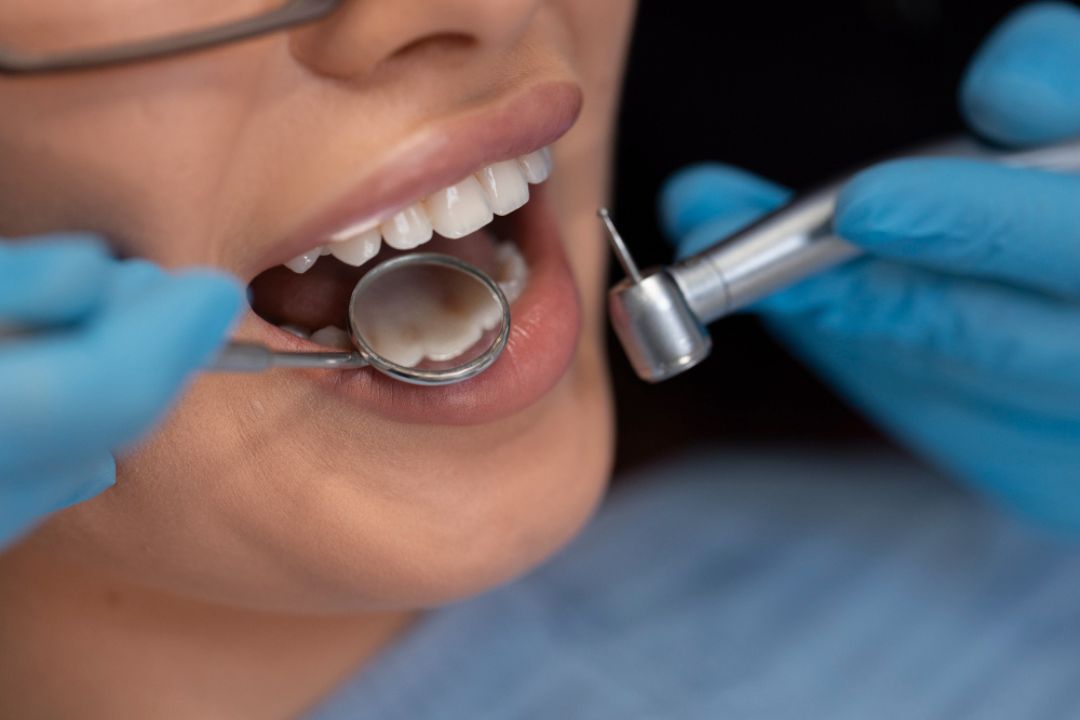
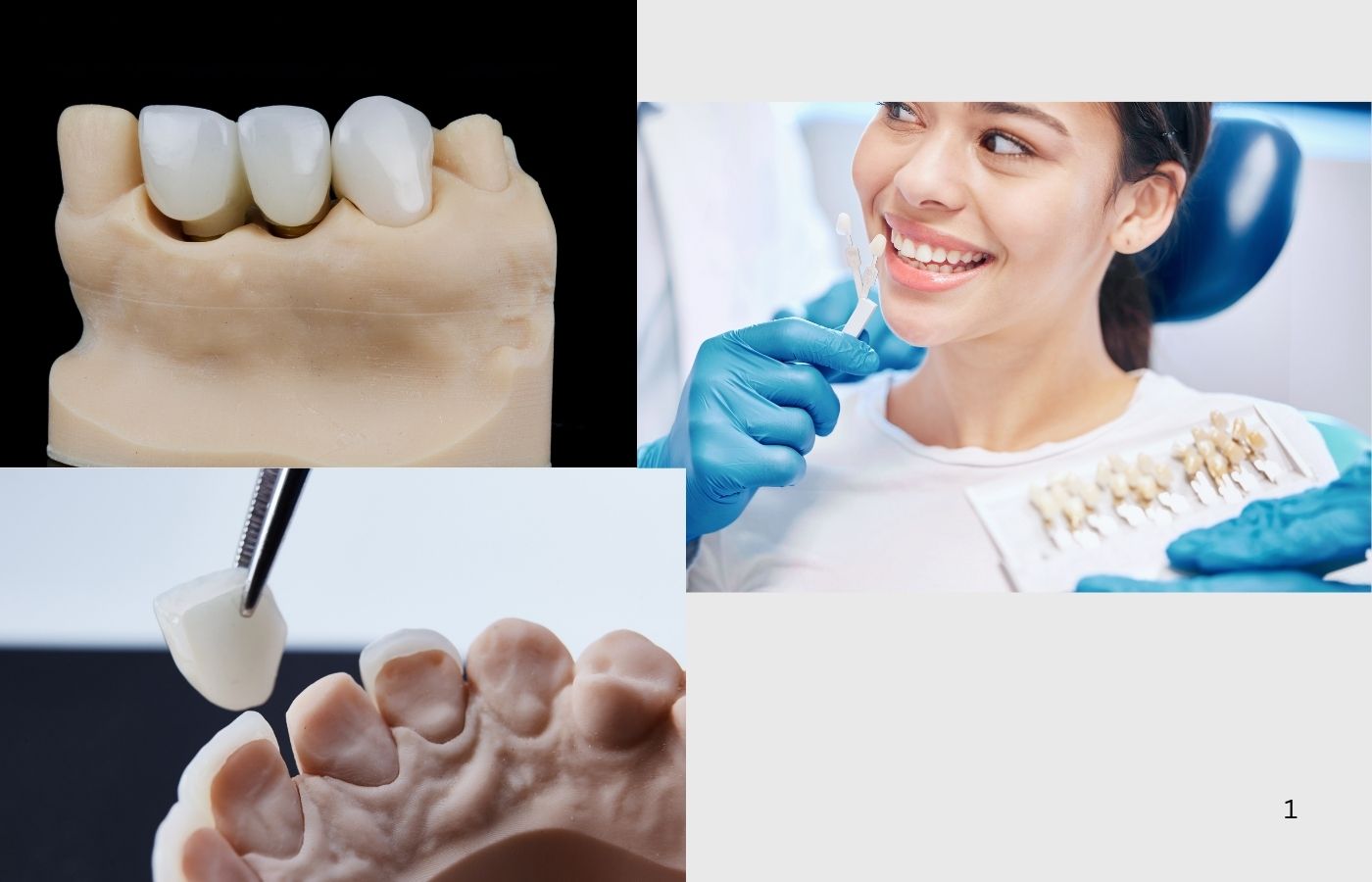
Consultation & Preparation: The tooth is shaped to fit the crown. Impressions are taken to design your custom crown.
Temporary Crown: While your permanent crown is crafted in a lab, a temporary crown protects your tooth.
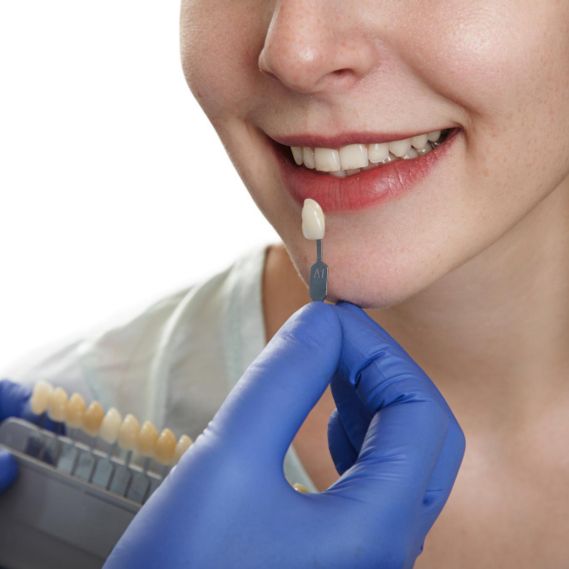
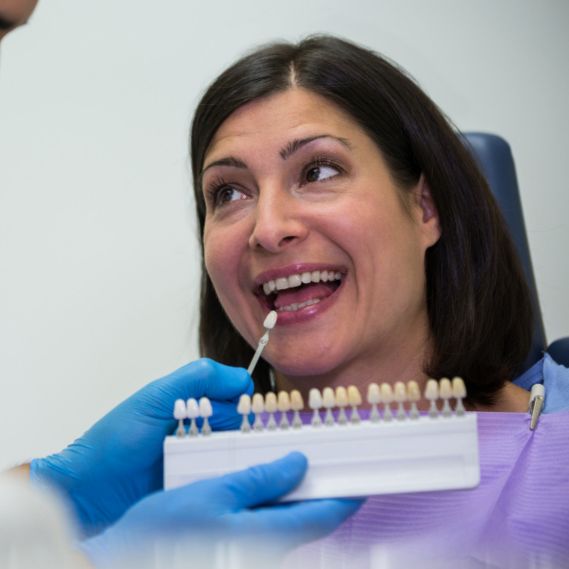
Bonding: At the final visit, the permanent crown is checked for fit and color, then bonded using a strong dental adhesive for crowns. This dental cement for crowns (also referred to as dental glue for crowns) ensures a secure, long-lasting hold.
Why Choose Dental Crowns?
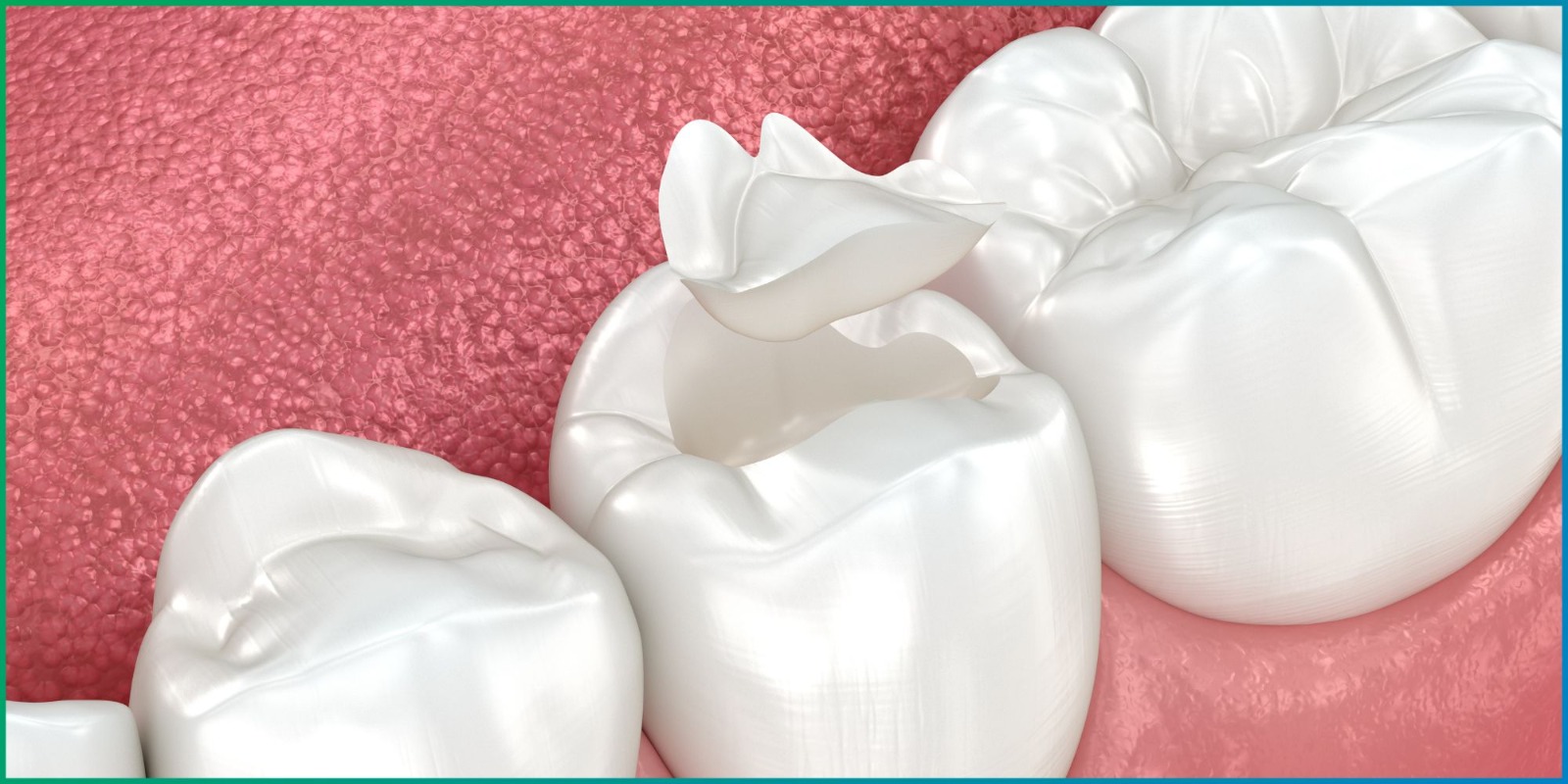
Dental crowns are versatile restorations used to address a range of dental issues, from structural damage to cosmetic imperfections. Whether you have a cracked tooth from an injury, severe decay, or simply want to improve a tooth’s shape or color, crowns offer a durable and aesthetic solution. By encasing the tooth, a crown protects it from further damage, restores biting and chewing function, and blends seamlessly with your natural teeth.
Conclusion in Diagnopein
In diagnopein—a term signifying detailed, informed understanding—dental crowns stand out as a transformative solution in restorative dentistry. They merge art and science to repair not just teeth, but also the confidence behind every smile. Whether you’re addressing functional issues or seeking cosmetic enhancement, a crown dental treatment offers a reliable path to a healthier, more radiant you.





.jpg "the best fix for a cracked tooth why dental crowns are the gold standard")
.jpg "rebuilding smiles how all-on-4® implants transform full-arch dental care")
.jpg "Dental Crowns")
.jpg "Dental Crowns")
.jpg "Dental Crowns")
.jpg "Dental Crowns")