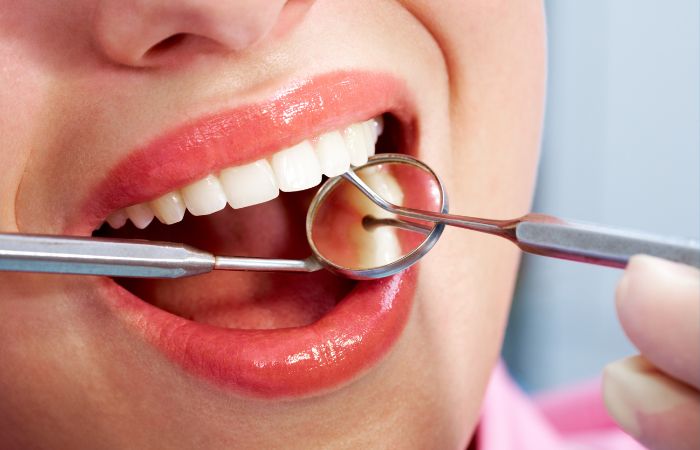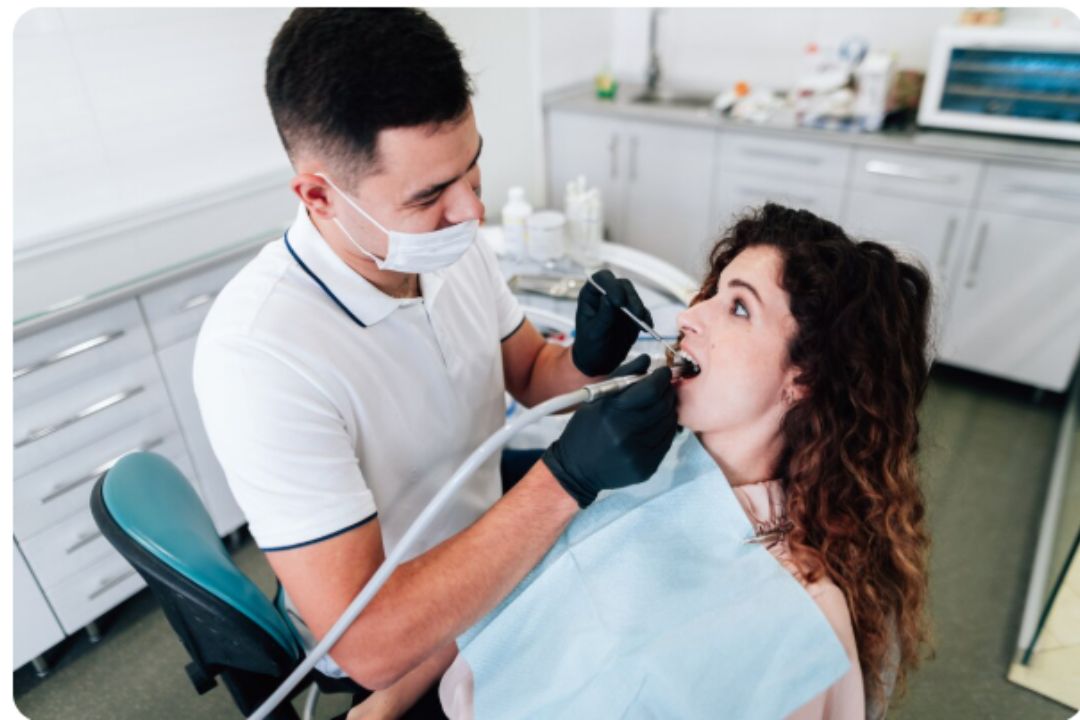
When it comes to oral health, misinformation can lead to serious consequences for your teeth, gums, and overall well-being. Dentists often hear the same myths repeated by patients, leading to poor habits or neglected care. Let’s debunk common misconceptions and replace them with evidence-based facts—so you can make informed decisions for a healthier smile.
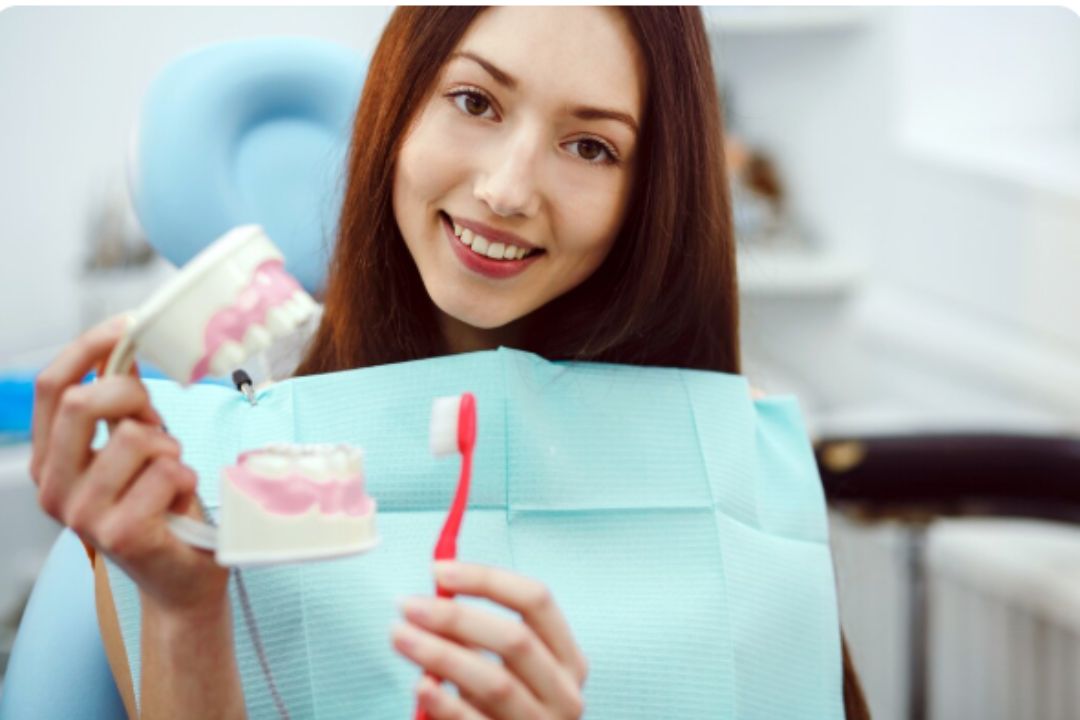
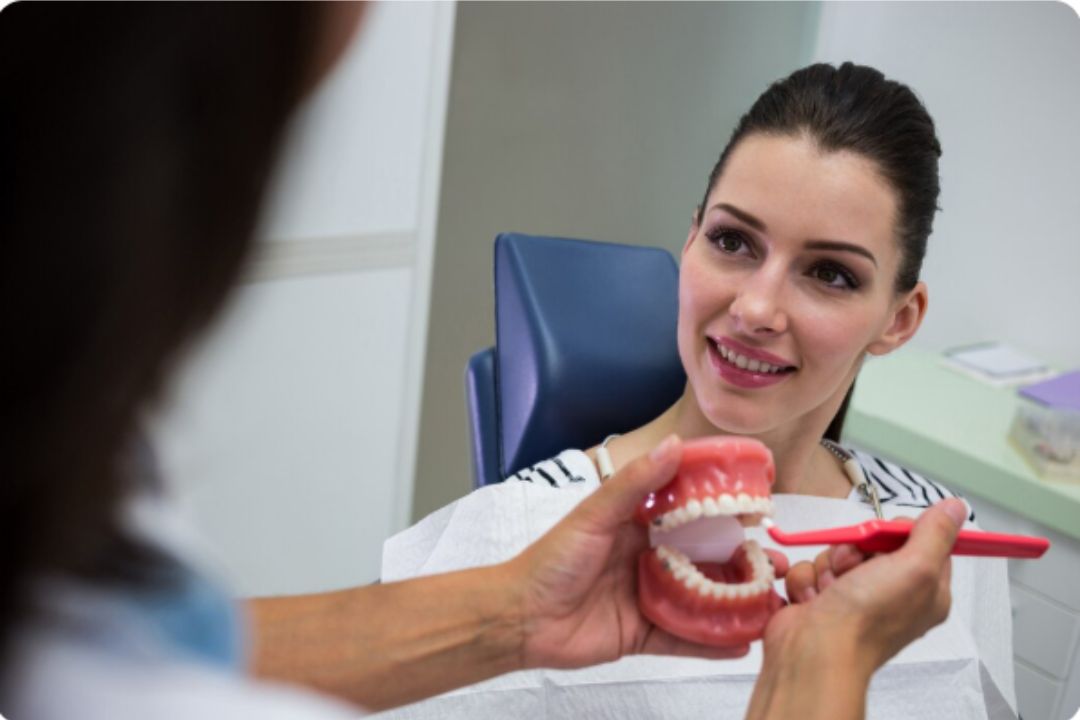
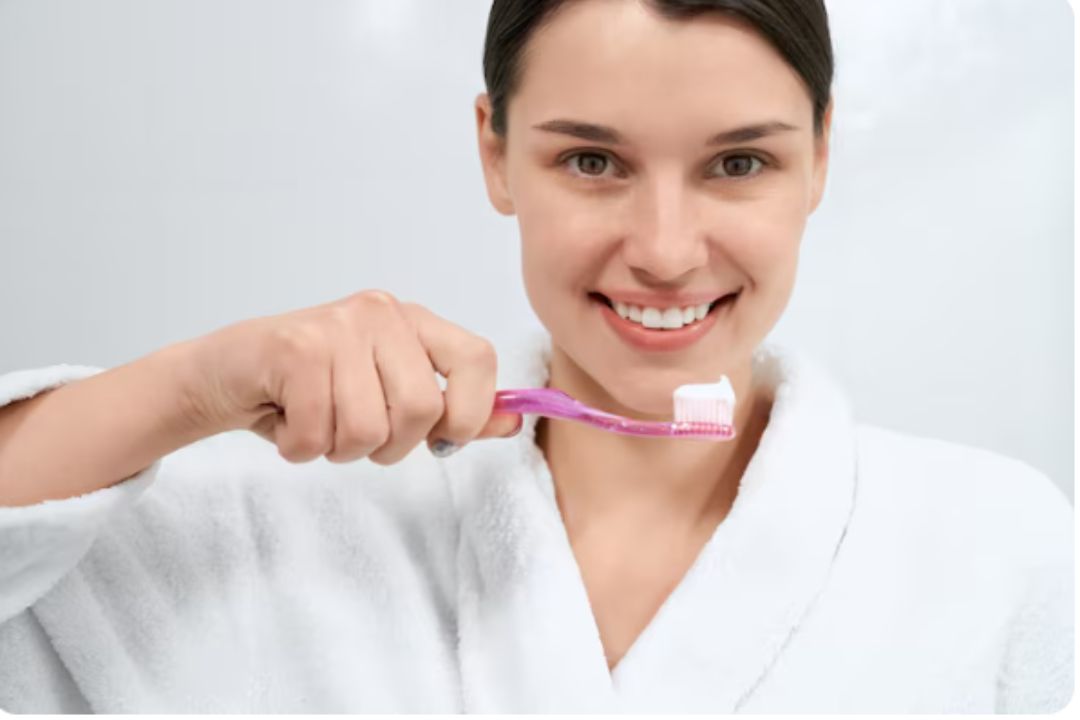
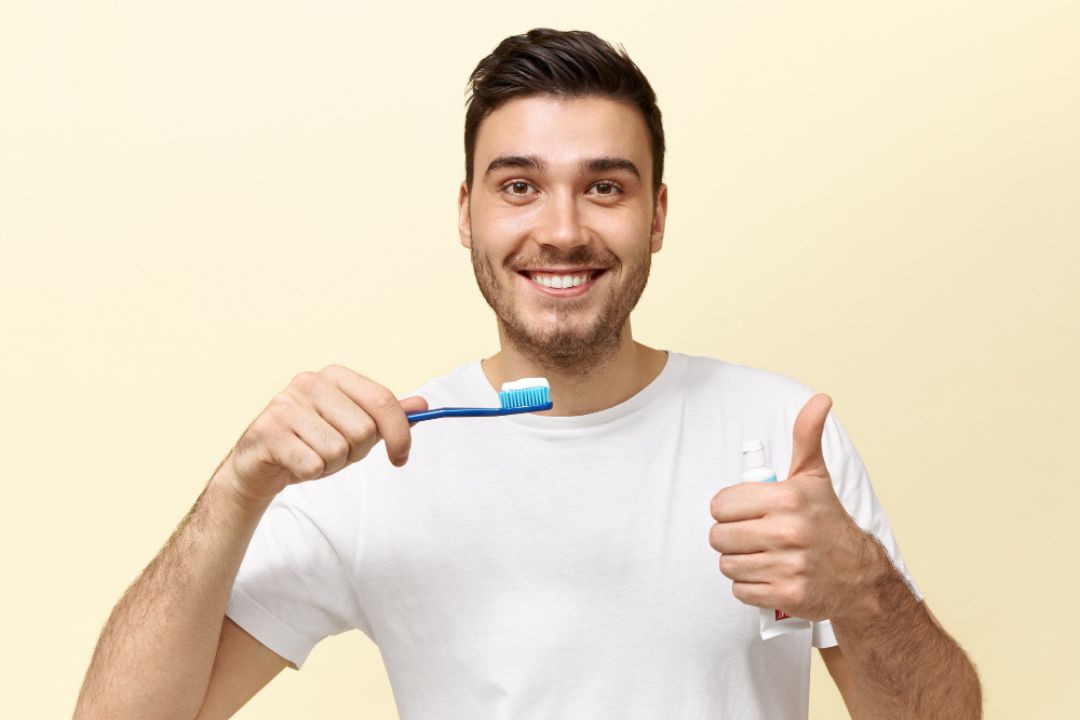
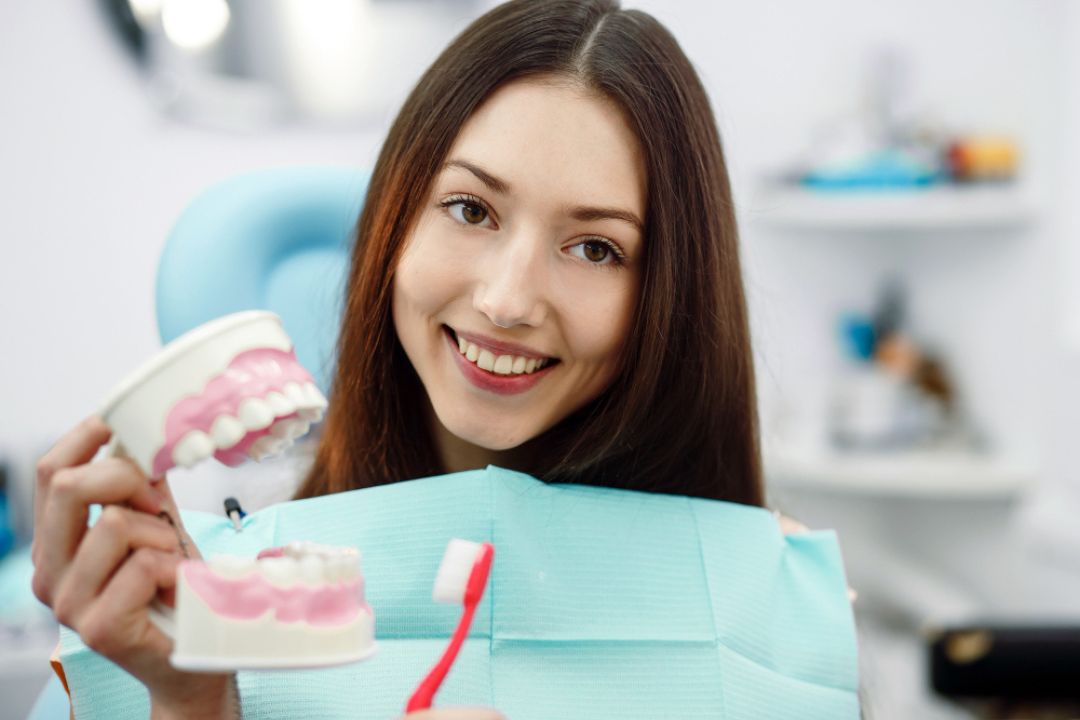
Fact: This is one of the most damaging myths. Scrubbing your teeth aggressively can wear down protective enamel, cause gum recession, and increase tooth sensitivity. The proper technique involves a soft-bristled brush and gentle, circular motions at a 45-degree angle to the gums. Think of it as massaging, not scrubbing.
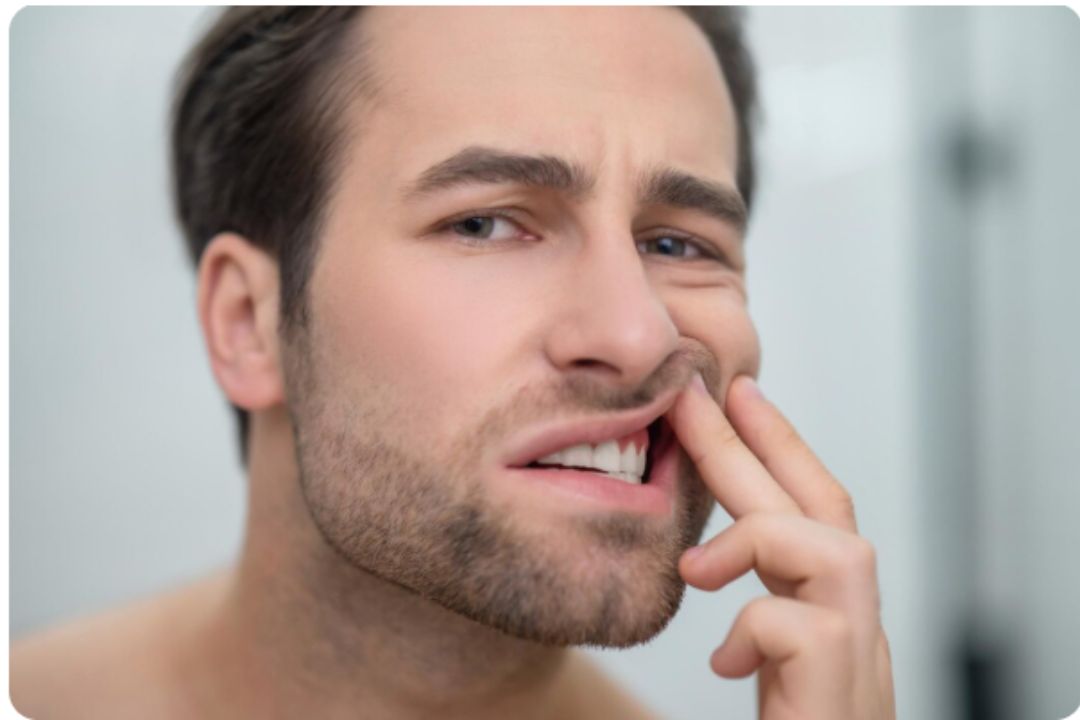
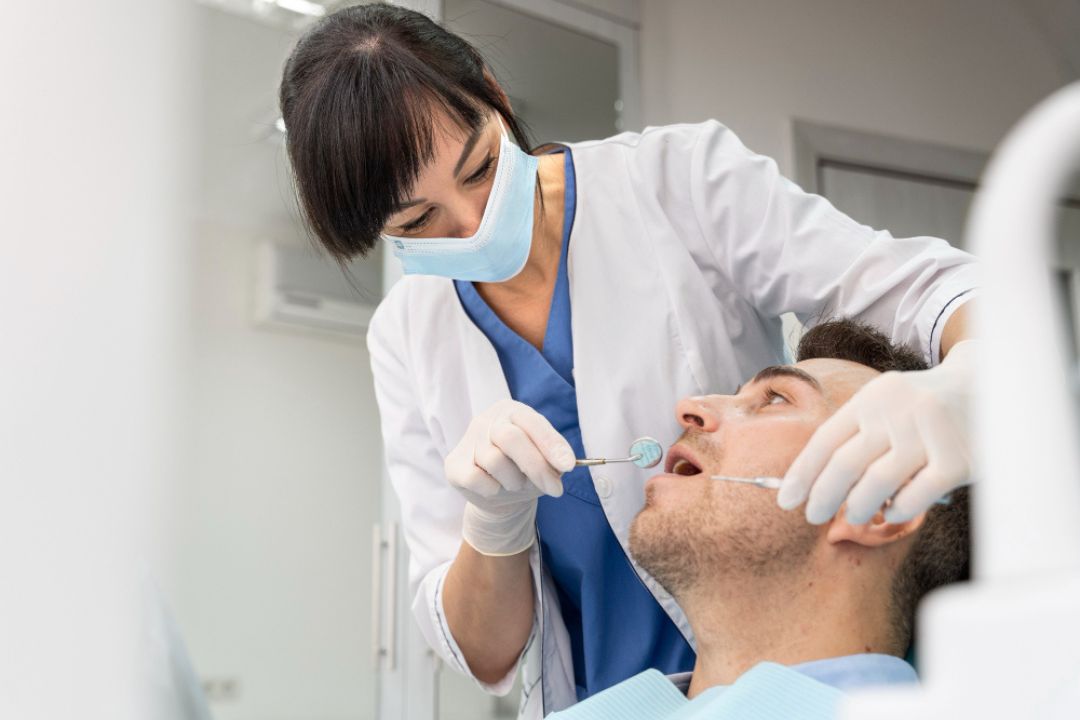
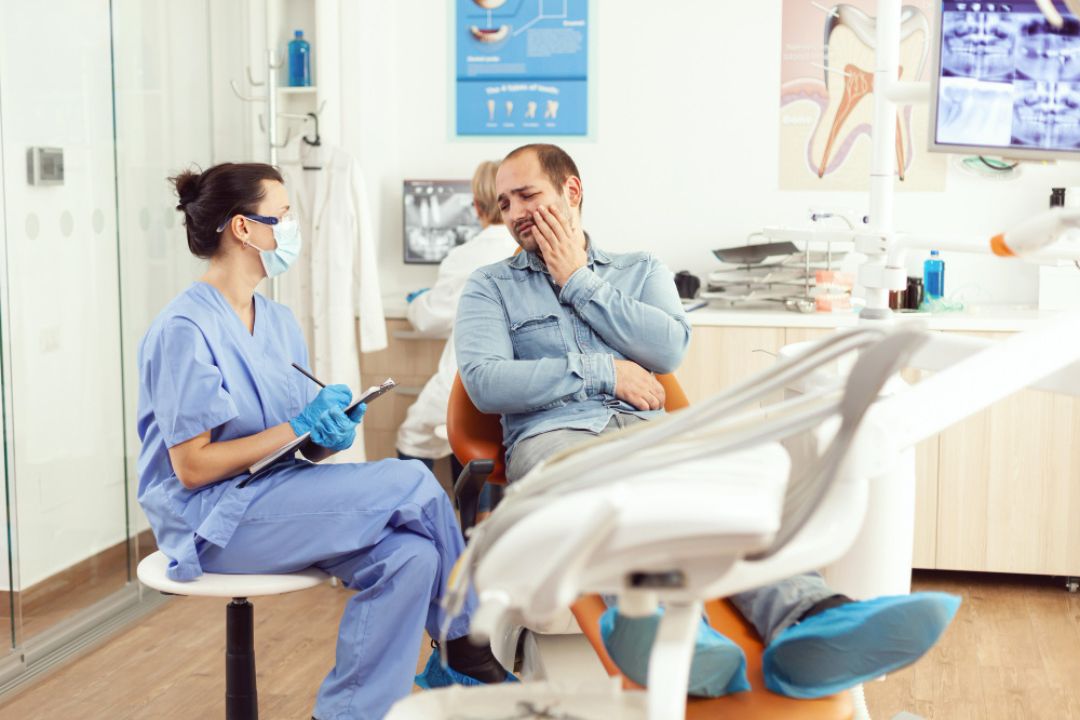
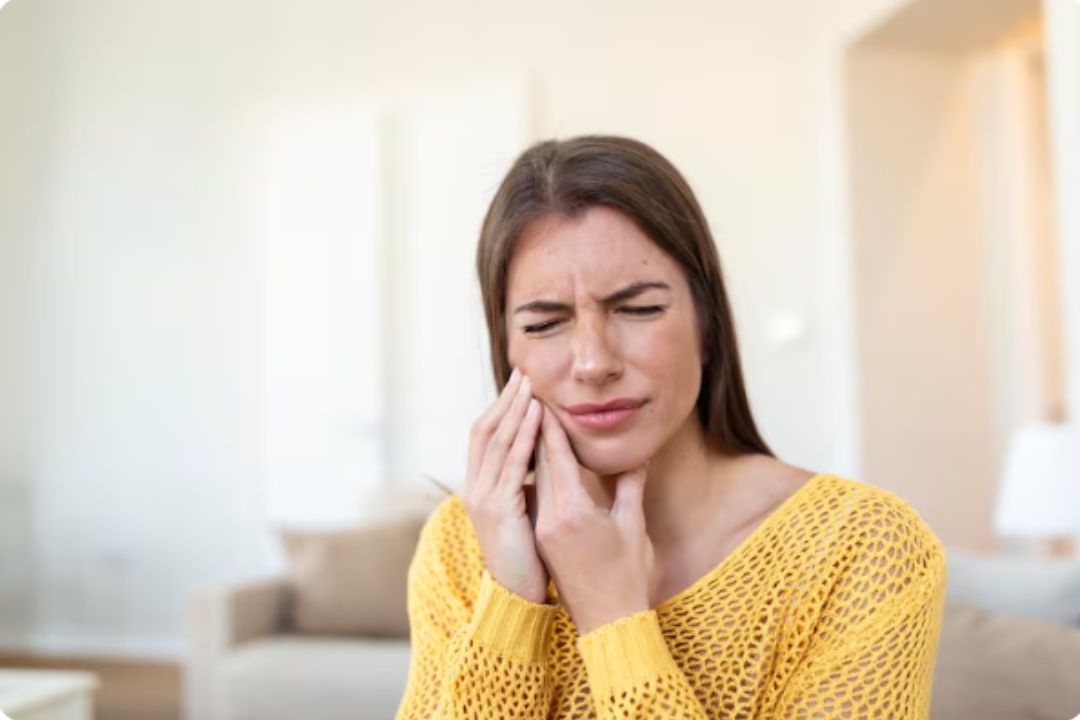
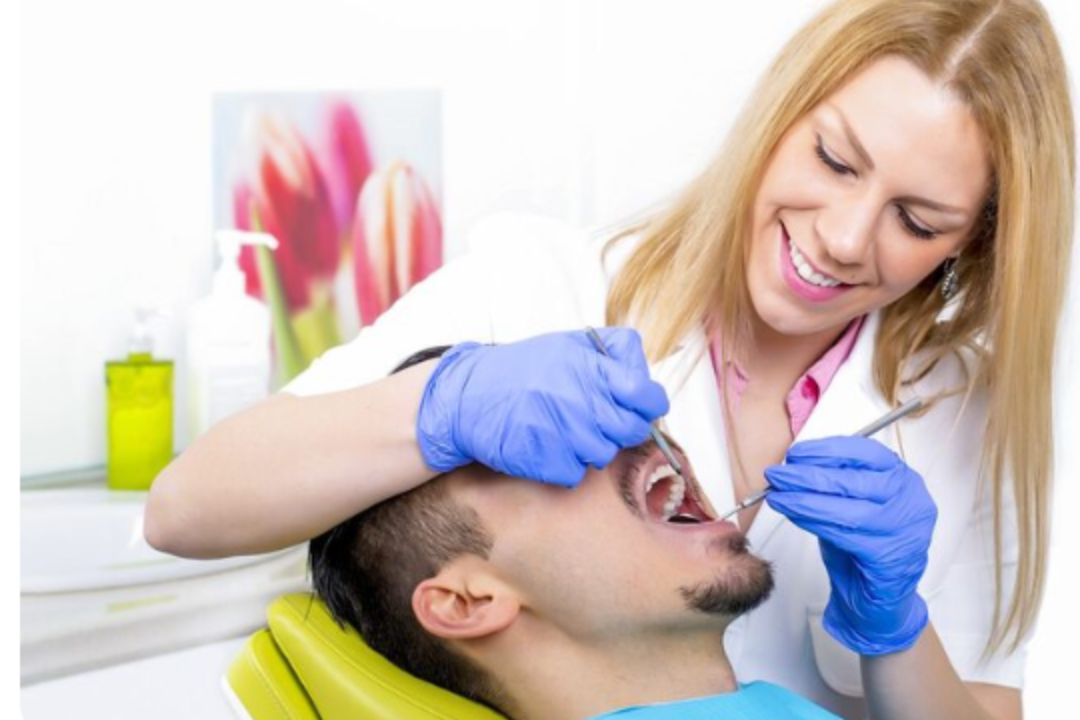
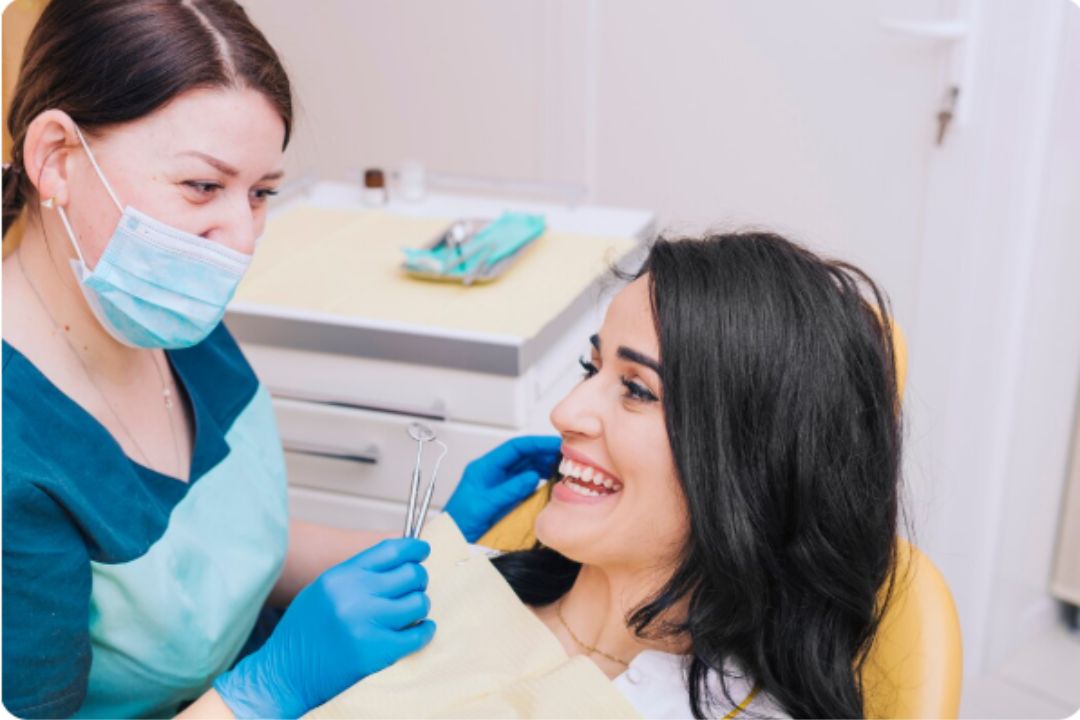
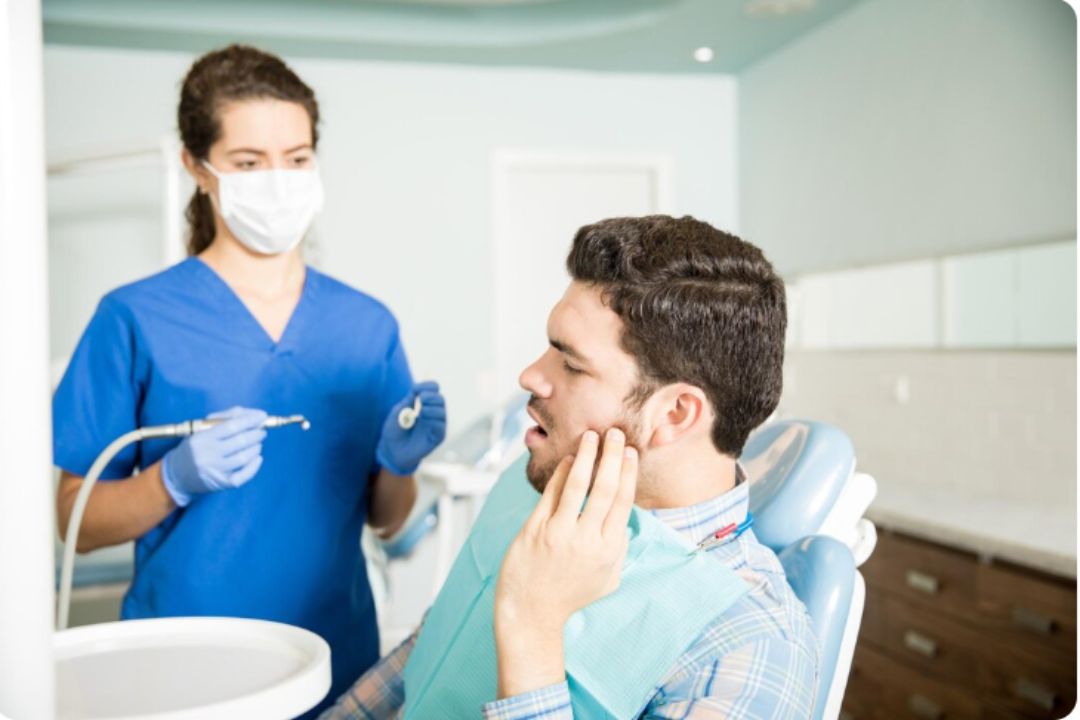
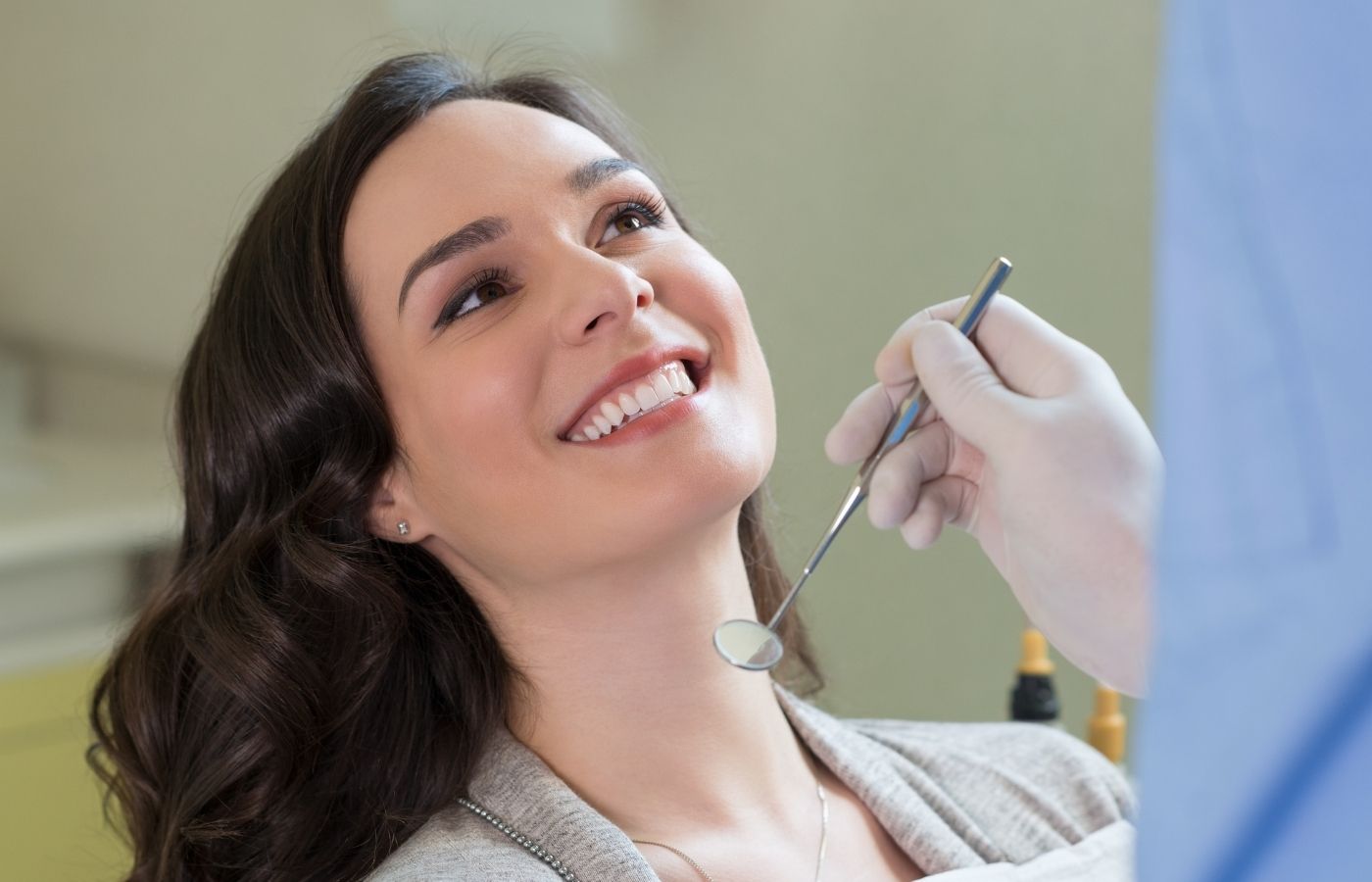
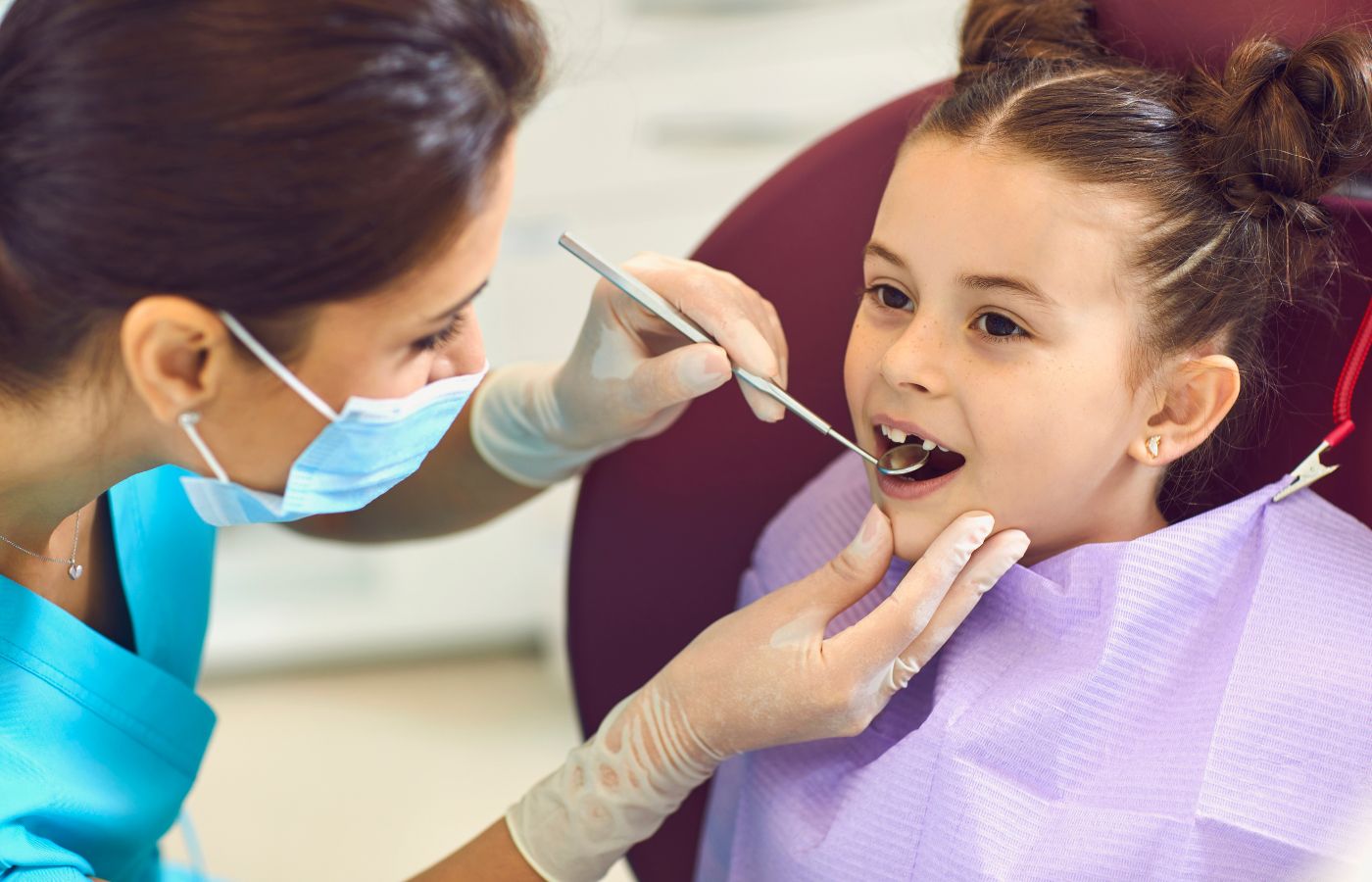
Fact: Dental issues are often silent until they reach an advanced stage. A cavity doesn’t typically hurt until it encroaches on the nerve. Gum disease, a leading cause of tooth loss, is frequently painless in its early stages. This is why biannual checkups at an Oral Health Clinic are non-negotiable—they catch problems you can’t see or feel.
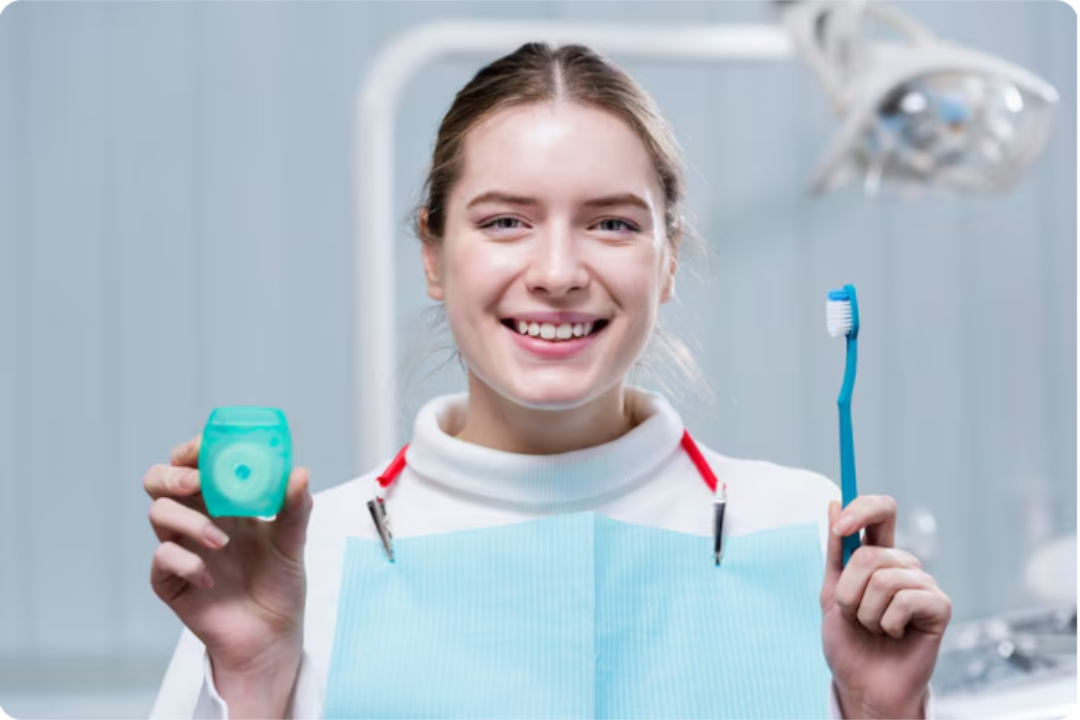
Fact: Flossing isn't optional; it's essential. Your toothbrush can't reach about 40% of your tooth surfaces. Plaque left between teeth hardens into tartar, which only a dental professional can remove, and directly leads to interproximal cavities and gum disease. If traditional floss is difficult, water flossers or interdental brushes are excellent alternatives.
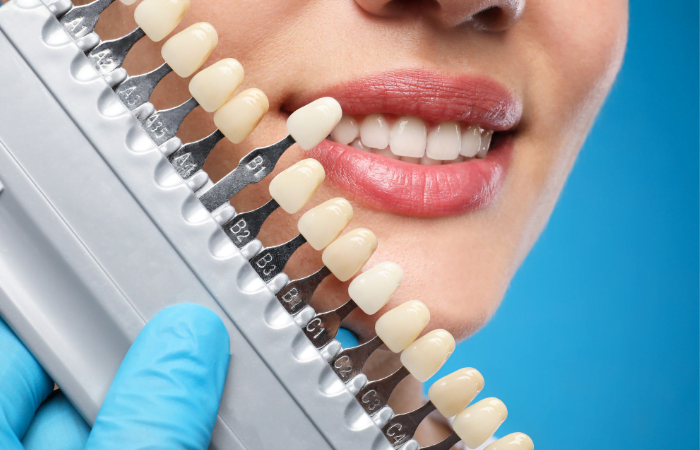
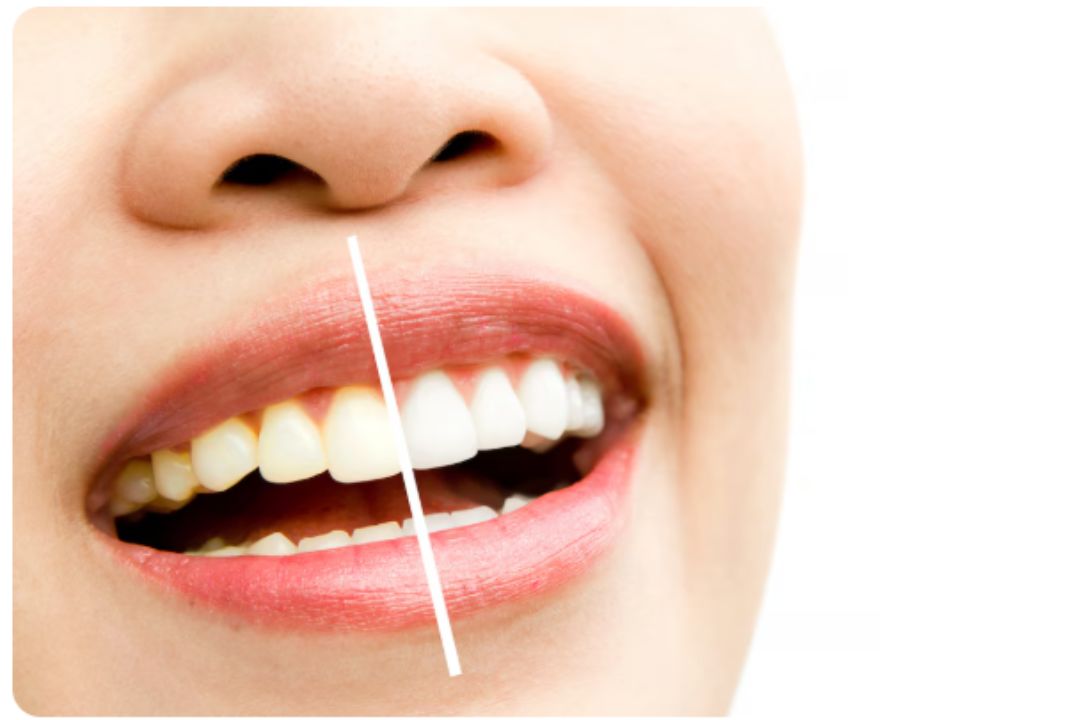
Fact: Whitening toothpastes primarily work by using mild abrasives to remove surface stains. They do not contain bleaching agents (like peroxide) in concentrations high enough to change the intrinsic color of your teeth. For deeper stains, professional whitening treatments from a dentist are safer and more effective.
Fact: While it lacks cavity-causing sugar, diet soda is highly acidic. This acid attacks tooth enamel directly, leading to erosion and weakening of the teeth. The same goes for other acidic drinks like sparkling water with citrus flavors and sports drinks.
This is the cornerstone of modern dentistry—your mouth is not an isolated system. The concept of the "oral-systemic link" is backed by decades of research. Chronic inflammation from gum disease (periodontitis) allows harmful bacteria to enter the bloodstream, creating a state of systemic inflammation.
This has been linked to:
Cardiovascular Disease: Bacteria may contribute to arterial plaque, increasing the risk of heart attack and stroke.
Diabetes: There’s a two-way street. Diabetes makes you more susceptible to severe gum disease, and severe gum disease can make blood sugar harder to control.
Respiratory Infections: Inhaling bacteria from infected gums can lead to pneumonia, especially in older adults.
Pregnancy Complications: Gum disease is associated with low birth weight and preterm birth.
Managing your oral health is a direct investment in your whole-body wellness. Regular visits to an oral health clinic are a form of preventive medicine.
When seeking care, you have options tailored to different needs.
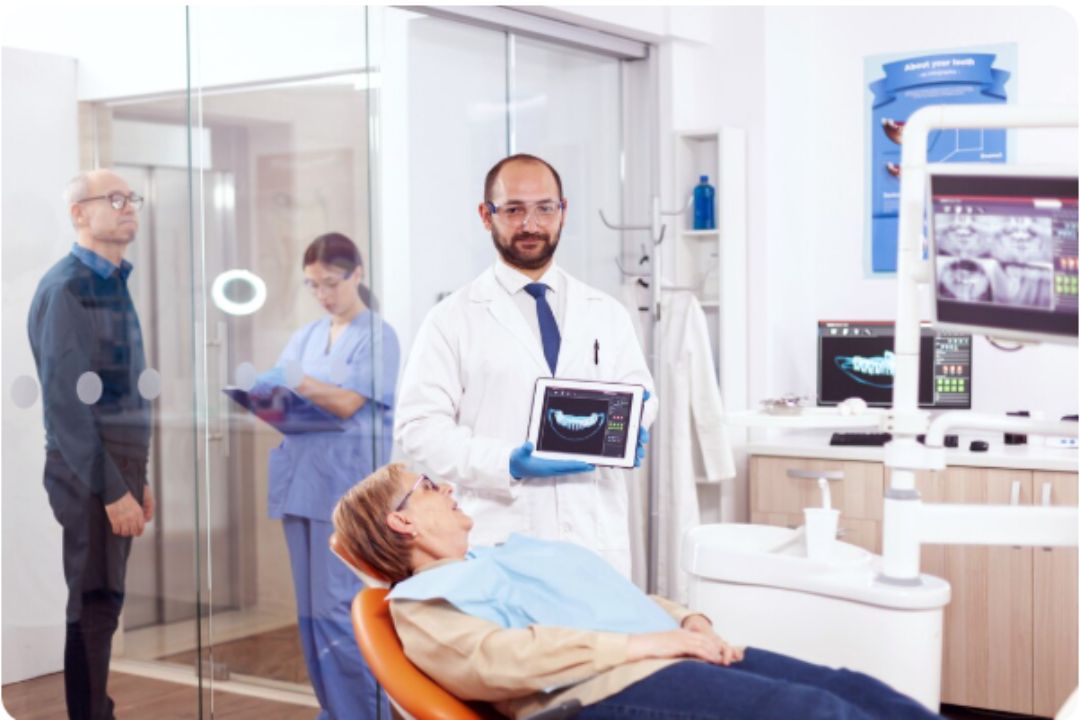
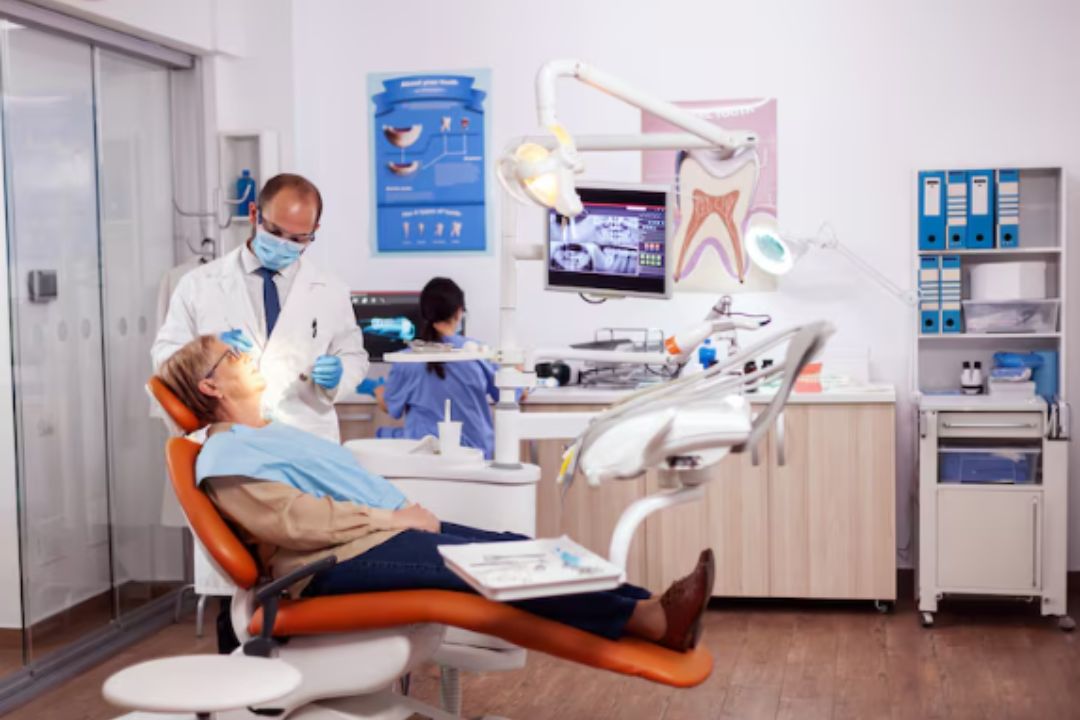
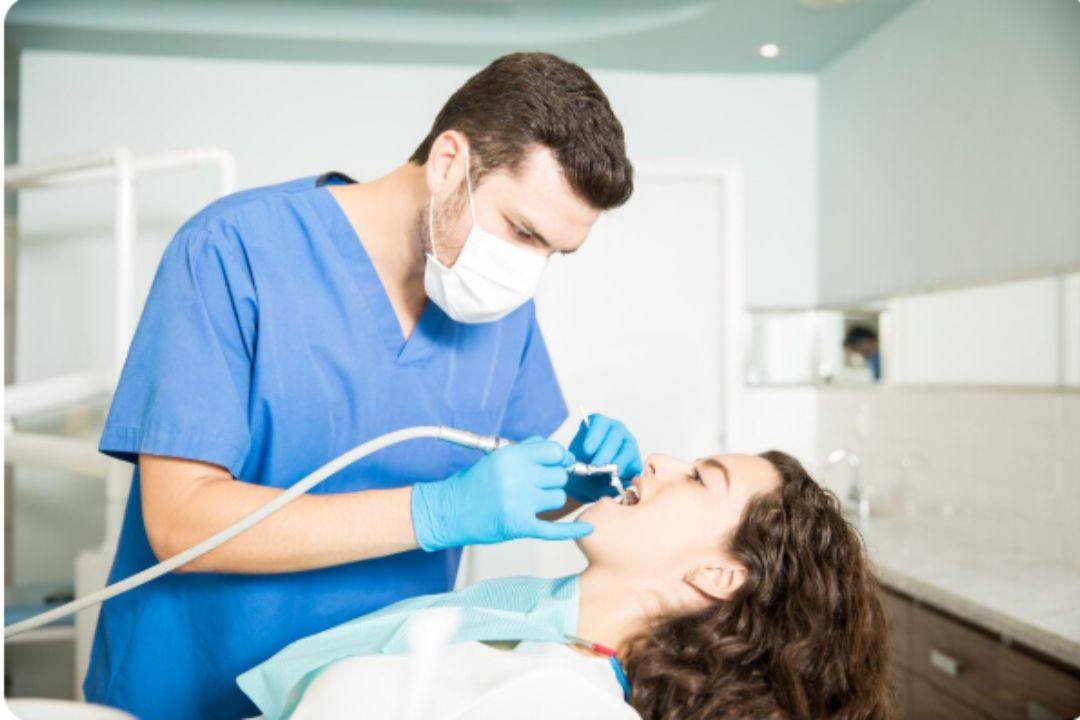
A general Oral Health Clinic or family dental practice is your first line of defense. They provide essential preventive care (cleanings, exams, X-rays), restorative treatments (fillings, crowns), and basic cosmetic procedures. They are perfect for routine maintenance and common issues.
For complex cases, specialized clinics like the UAMS Oral Health Clinic offer distinct advantages. As part of the University of Arkansas for Medical Sciences, such clinics provide:
Multidisciplinary Care: Access to oral surgeons, periodontists, endodontists, and orthodontists all in one academic health system.
Advanced Technology & Research: They often utilize the latest diagnostic and treatment technologies and may offer innovative therapies through clinical trials.
Treatment of Complex Conditions: They are equipped to handle severe gum disease, complex reconstructive surgery, oral cancer, and care for patients with significant medical comorbidities.
The choice depends on your individual needs, but a general dentist can often provide a referral to a specialized center like UAMS if necessary.
The dreaded dental visit is an outdated stereotype. Today’s dentistry prioritizes patient comfort through:
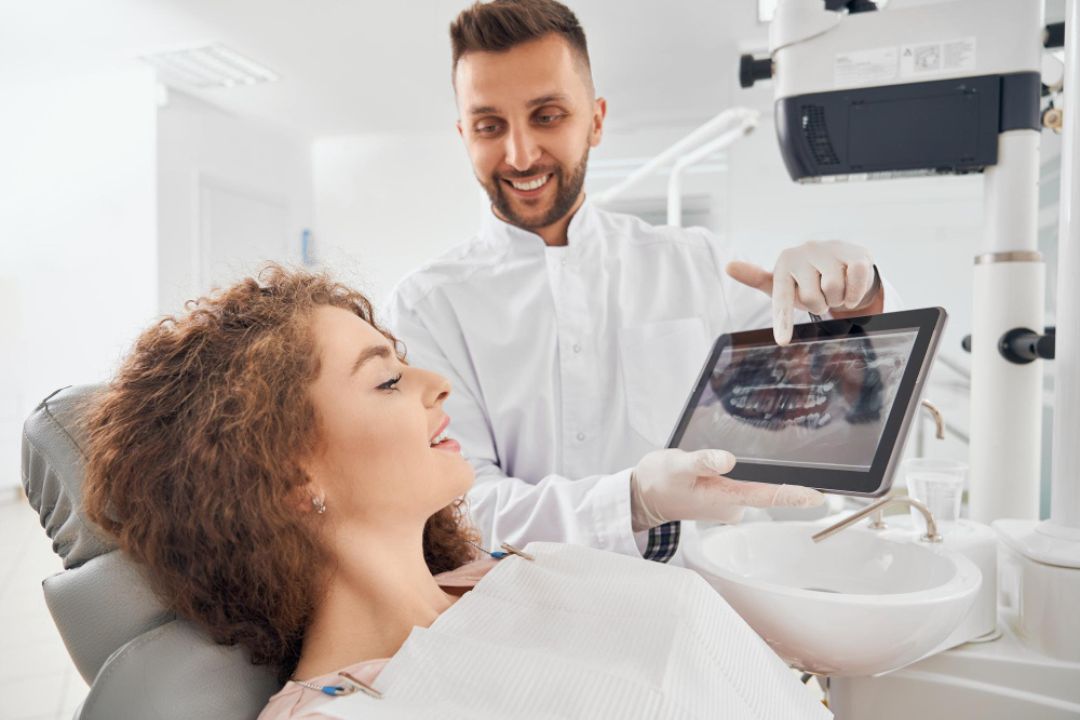
Technology: Digital X-rays reduce radiation, intraoral cameras show you what the dentist sees, and laser therapy can treat gums with minimal discomfort.
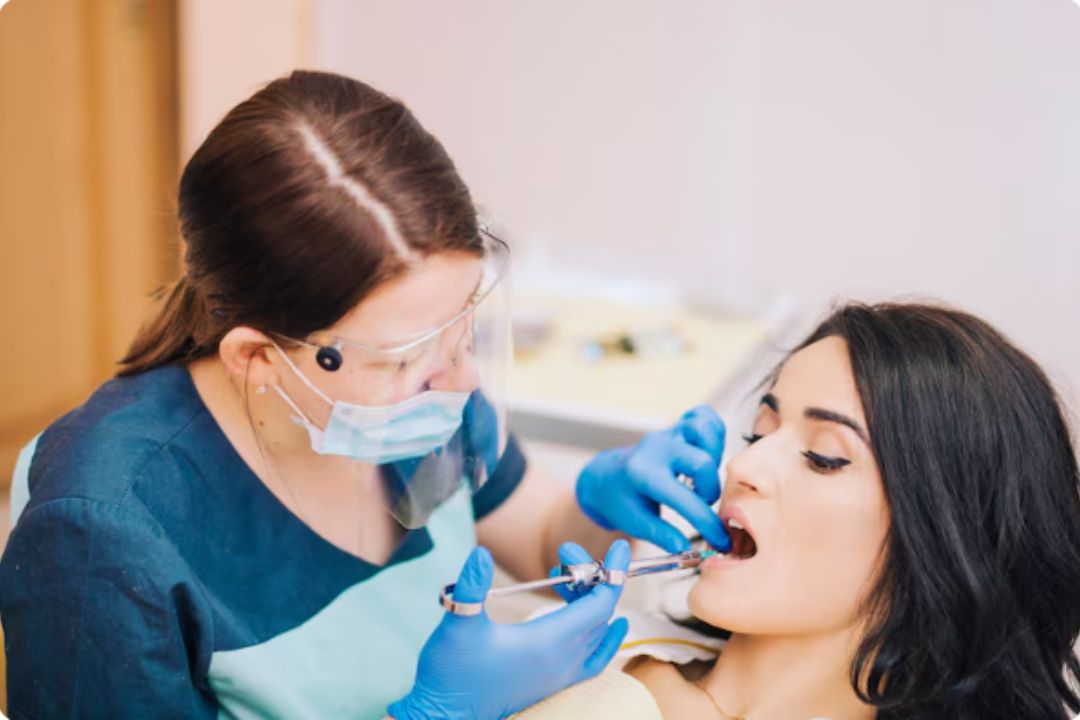
Anxiety Management: From nitrous oxide ("laughing gas") to oral sedation, options are available for nervous patients.
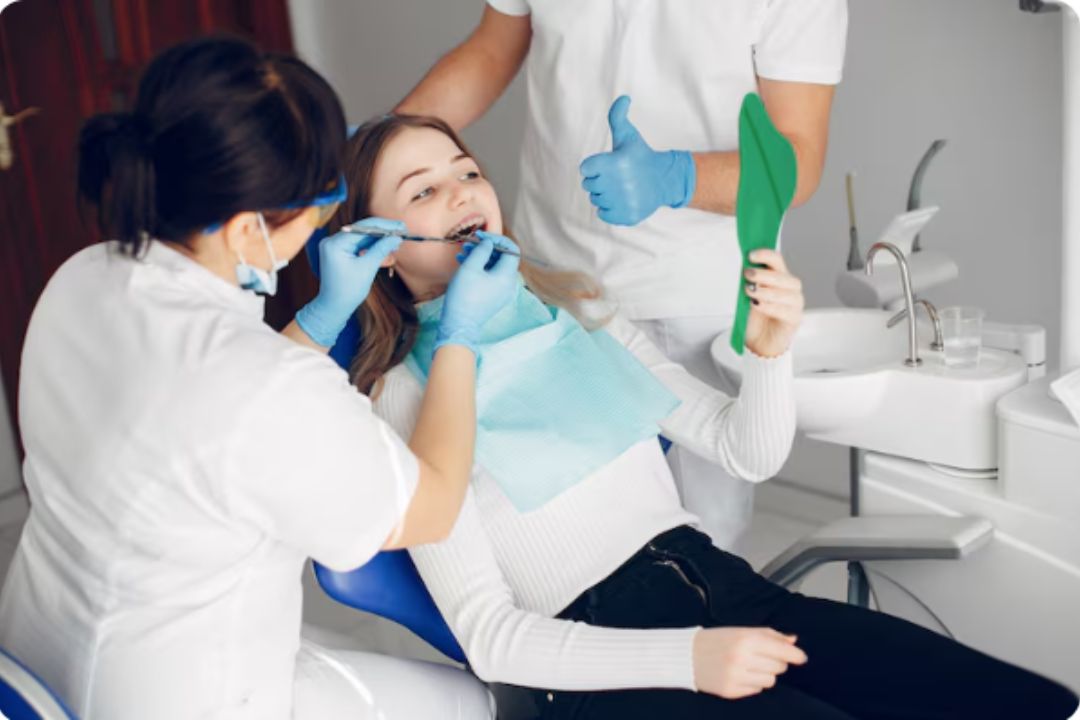
Communication: A good dentist will explain each step, check in on your comfort, and adjust their approach. Don’t hesitate to discuss your fears.
In a landscape crowded with confusing and conflicting information, you need a trusted guide. This is where Diagnopein stands apart.
Diagnopein is more than just a resource; it’s a partner in your health journey. We curate and create content—like this myth-busting guide—that is rigorously reviewed by dental professionals, ensuring you receive accurate, actionable advice. We simplify the complex, helping you understand how oral health affects overall health and empowering you to make informed decisions.
Furthermore, Diagnopein helps you navigate the practical side of care. Whether you’re searching for a reputable local oral health clinic, need to understand the specialized services of a center like the UAMS Oral Health Clinic, or are looking for guidance on insurance and costs, we provide the tools and clarity to take the next step with confidence. We connect knowledge to action.
Dispelling oral health myths is the first step toward a healthier you. By embracing the facts—prioritizing gentle care, understanding the mouth-body connection, and valuing preventive visits—you protect far more than your smile. You safeguard your heart, your metabolic health, and your overall quality of life.


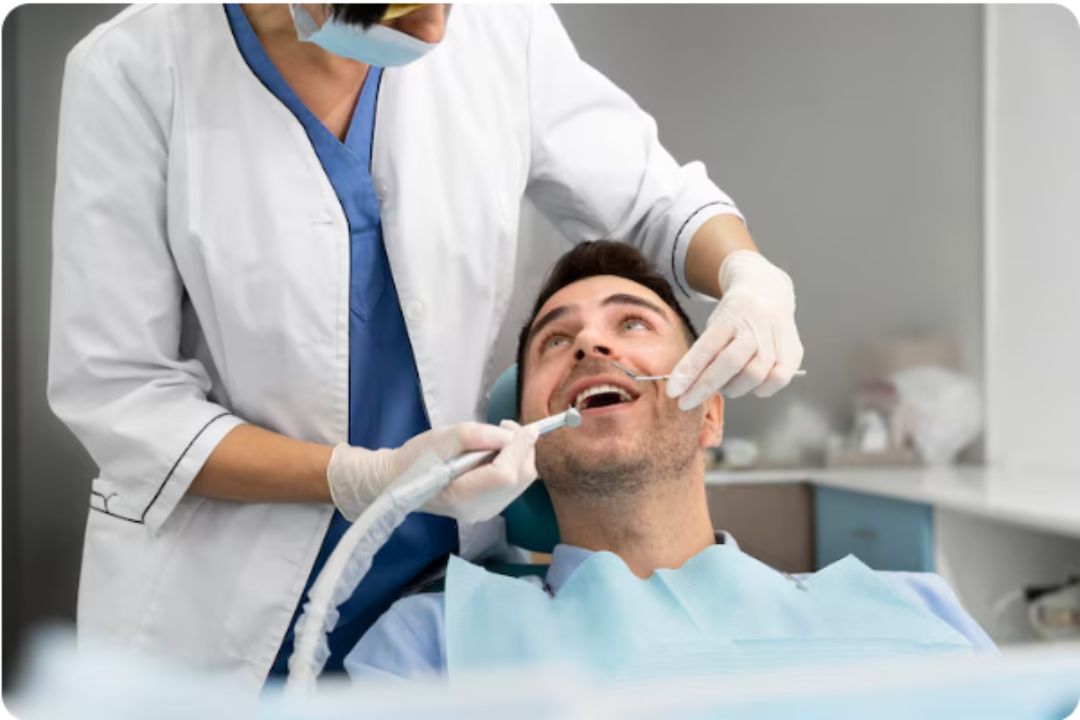
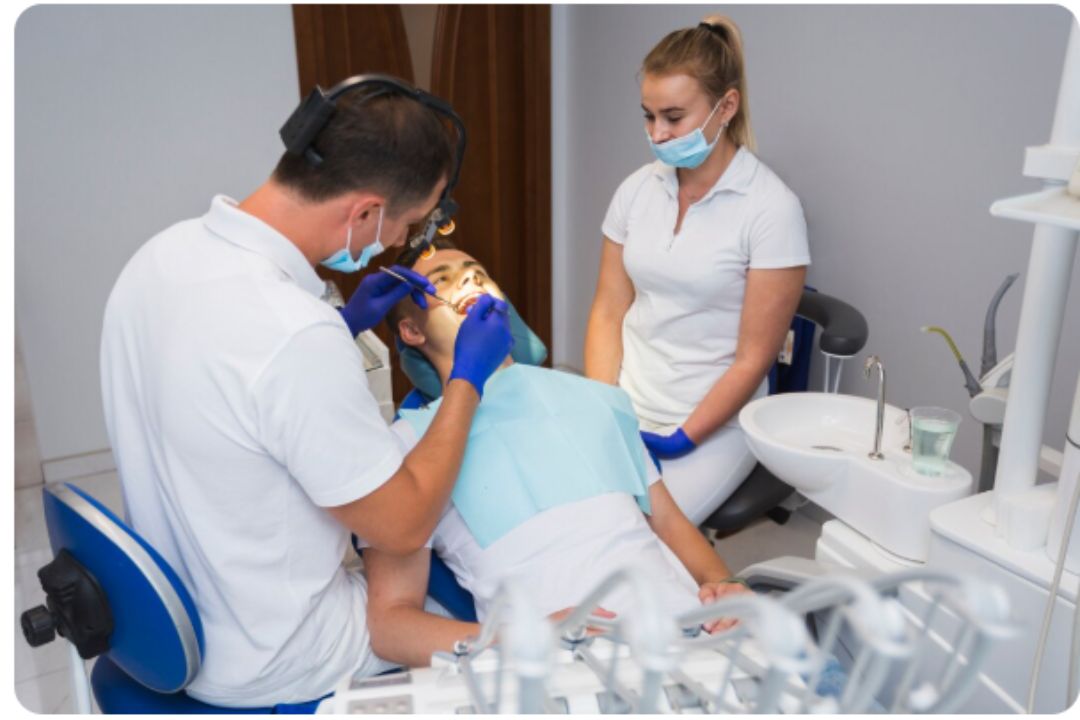





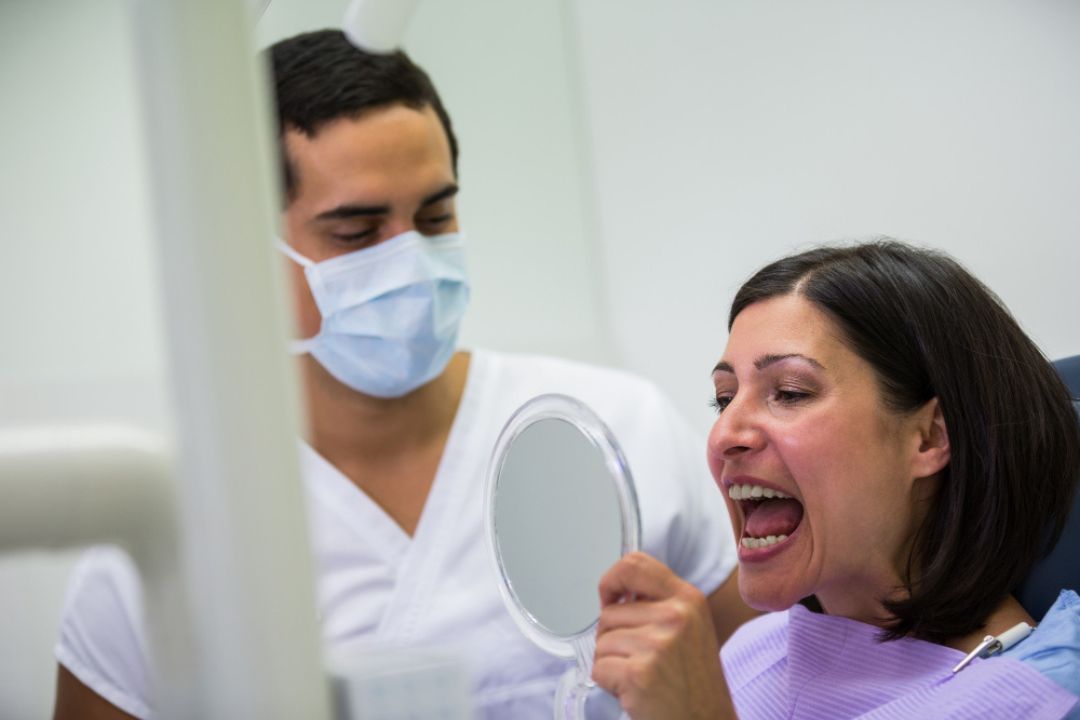
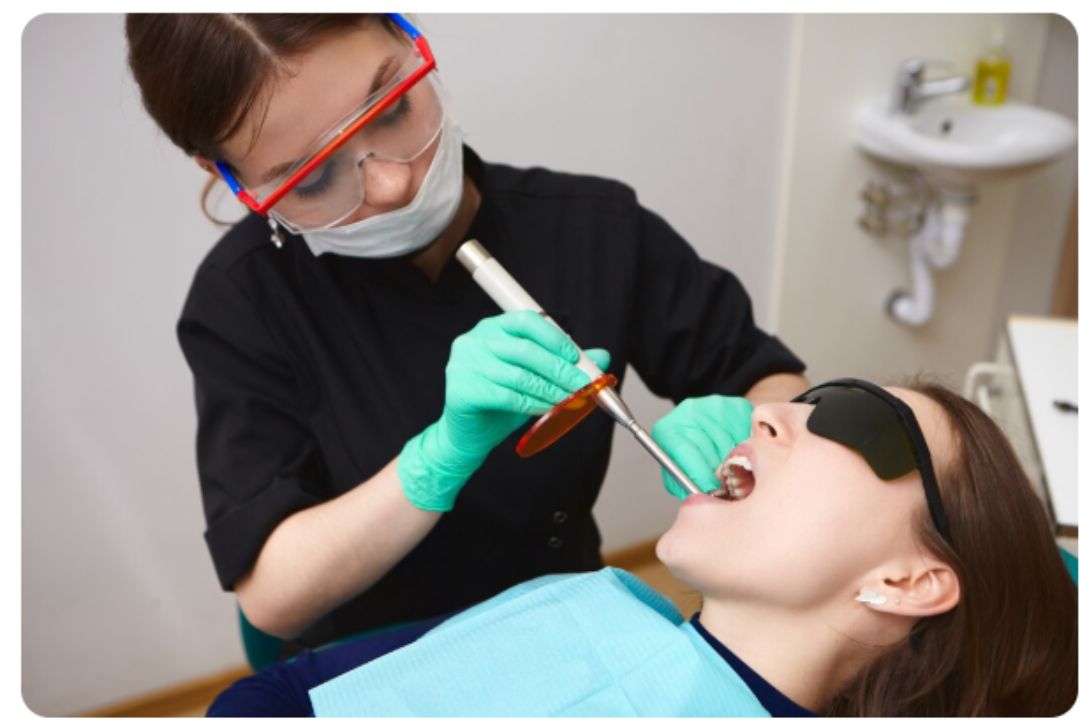
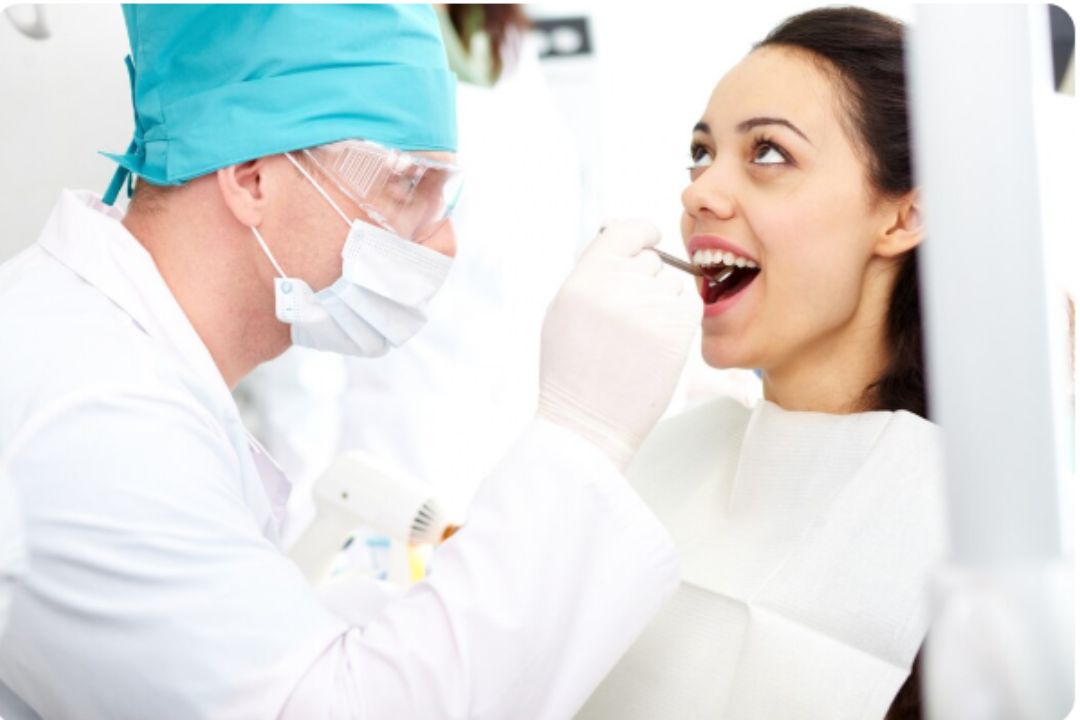
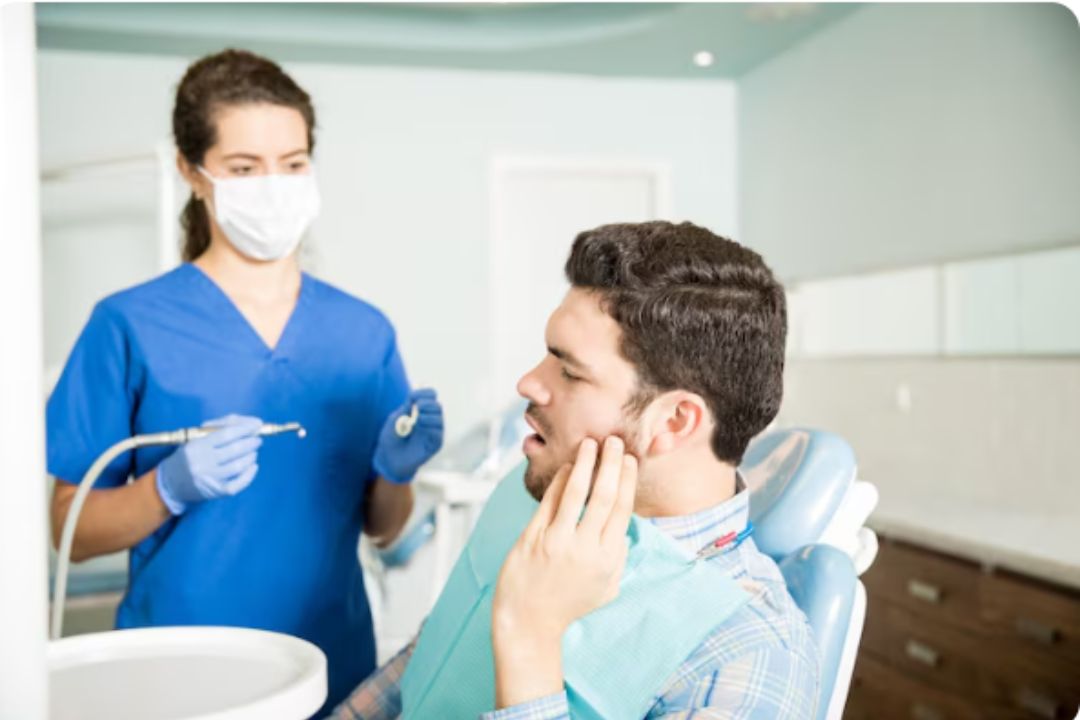

.jpg "oral health and hygiene")













.jpg "Impacts Your Dental Health")
.jpg "Oral Health and Mental Health")
.jpg "Dental Care for Seniors")
.jpg "Regular Dental Checkups Are More Important")
 (1).jpg "Oral Health and Systemic Diseases")
.jpg "Oral Healthcare and Major Diseases")


 (1).jpg "Free Dental Visit")



 (1).png "Common Dental problems")