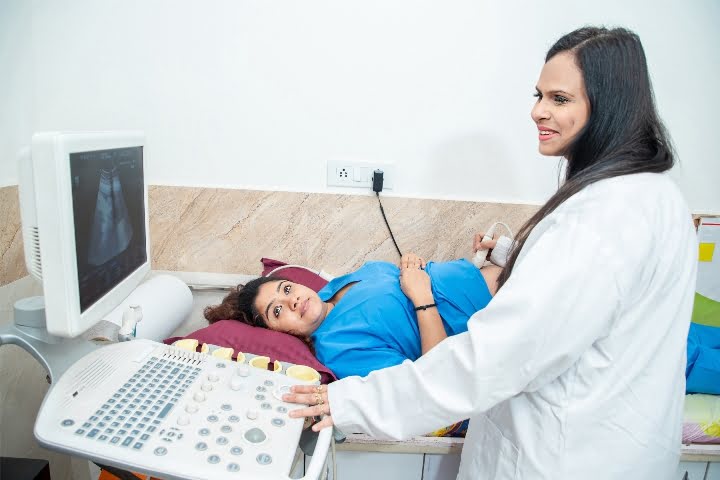
Twin pregnancy is exciting — but it also requires closer monitoring and specialized care. One of the most important scans during a twin pregnancy is the USG Pregnancy Anomaly Scan, also called the Level 2 ultrasound.
This detailed scan helps doctors carefully examine the growth, development, and overall health of both babies.
In this complete guide, we explain everything expecting parents need to know.
A USG (Ultrasonography) Pregnancy Anomaly Scan is a detailed ultrasound performed during the second trimester, usually between 18 to 22 weeks of pregnancy.
Unlike routine ultrasounds, this scan:
Examines each baby’s organs in detail
Checks brain, heart, spine, kidneys, limbs, and facial structures
Evaluates placenta and amniotic fluid levels
Detects structural abnormalities
Confirms healthy growth progression
In twin pregnancies, the scan becomes even more important because both babies must be evaluated individually.
Twin pregnancies carry a slightly higher risk compared to single pregnancies. The anomaly scan helps detect conditions early, ensuring timely medical management.
Doctors closely check for:
Twin-to-Twin Transfusion Syndrome (TTTS)
Unequal growth (Selective IUGR)
Structural abnormalities in either baby
Placental position and sharing
Cord insertion issues
Early detection allows doctors to plan appropriate treatment and monitoring strategies.
The ideal time for the scan is
Visit Now: https://www.diagnopein.com
18–22 weeks of pregnancy
This is the stage when:
Organs are fully formed
Structural abnormalities can be clearly visualized
Fetal anatomy can be assessed accurately
In twin pregnancies, sometimes additional follow-up scans may be recommended depending on findings.
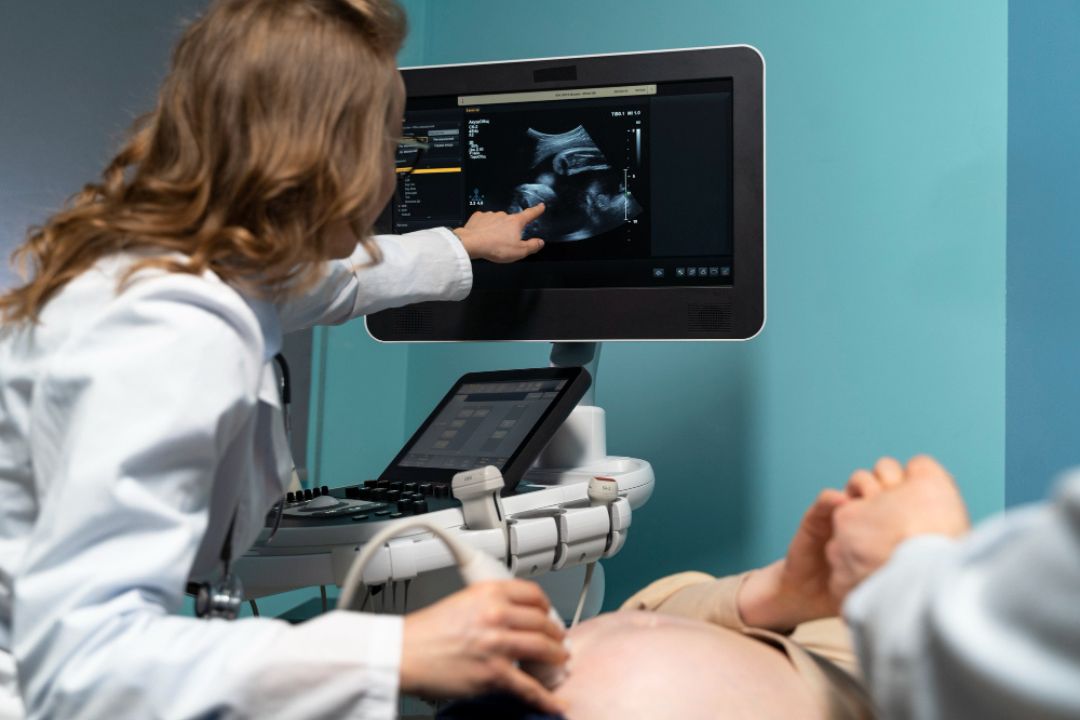
During the anomaly scan, the radiologist evaluates each twin separately.
Head size and shape
Brain chambers
Neural tube development
Cleft lip
Facial symmetry
Four-chamber view
Major blood vessels
Heart rhythm
Proper closure of the spinal column
Stomach
Kidneys
Bladder
Abdominal wall
Arms and legs
Finger and toe formation
Shared or separate placenta
Fluid levels around each baby
Each baby’s growth measurements are compared with gestational age to ensure normal development.
Twin pregnancies require extra attention for specific conditions.
Occurs when identical twins share a placenta and blood flow becomes uneven. One baby receives too much blood, while the other receives too little.
One baby grows slower than the other due to unequal placental sharing.
Significant size difference between twins.
Early diagnosis through anomaly scan allows specialists to monitor and manage these conditions effectively.
Yes. Ultrasound uses sound waves, not radiation.
It is:
Non-invasive
Painless
Safe for mother and babies
Widely recommended by obstetricians
There are no known harmful effects when performed by trained professionals.
Preparation is simple:
Wear comfortable clothing
Carry previous scan reports
Follow hydration instructions if given
Allocate 30–60 minutes (twin scans take longer)
Since two babies are examined, the procedure may take slightly more time than a single pregnancy scan.
If any concern is detected:
Your doctor may recommend a follow-up scan
You may be referred to a fetal medicine specialist
Additional tests like fetal echocardiography may be advised
Genetic counseling may be suggested in some cases
Remember, many findings are minor and manageable. Early detection improves outcomes significantly.
Better pregnancy planning
Reduced complications
Timely medical intervention
Improved neonatal outcomes
Peace of mind for parents
An anomaly scan is not just a test — it is a vital reassurance tool.
A USG Pregnancy Anomaly Scan for twins is one of the most important milestones in your pregnancy journey.
It provides:
A detailed look at both babies
Early detection of complications
Reassurance about development
A clear plan for the rest of pregnancy
If you are expecting twins, ensure you schedule your anomaly scan within the recommended timeframe and choose a well-equipped diagnostic center with experienced radiologists.
Your babies deserve the most careful monitoring — and this scan plays a crucial role in ensuring a healthy outcome.


.jpg "usg portal venous doppler purpose procedure and normal values")



.jpg "usg artery doppler test")






.jpg "ultrasound")


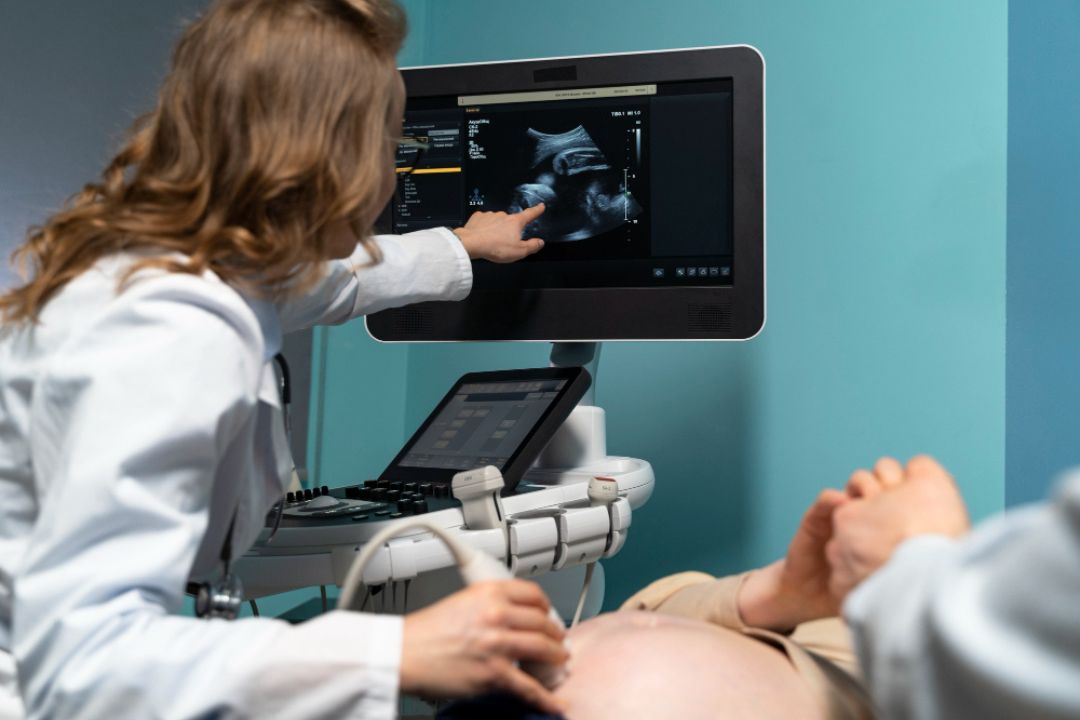

.jpg "ct scan")


.jpg "ultrasound digital sonography")

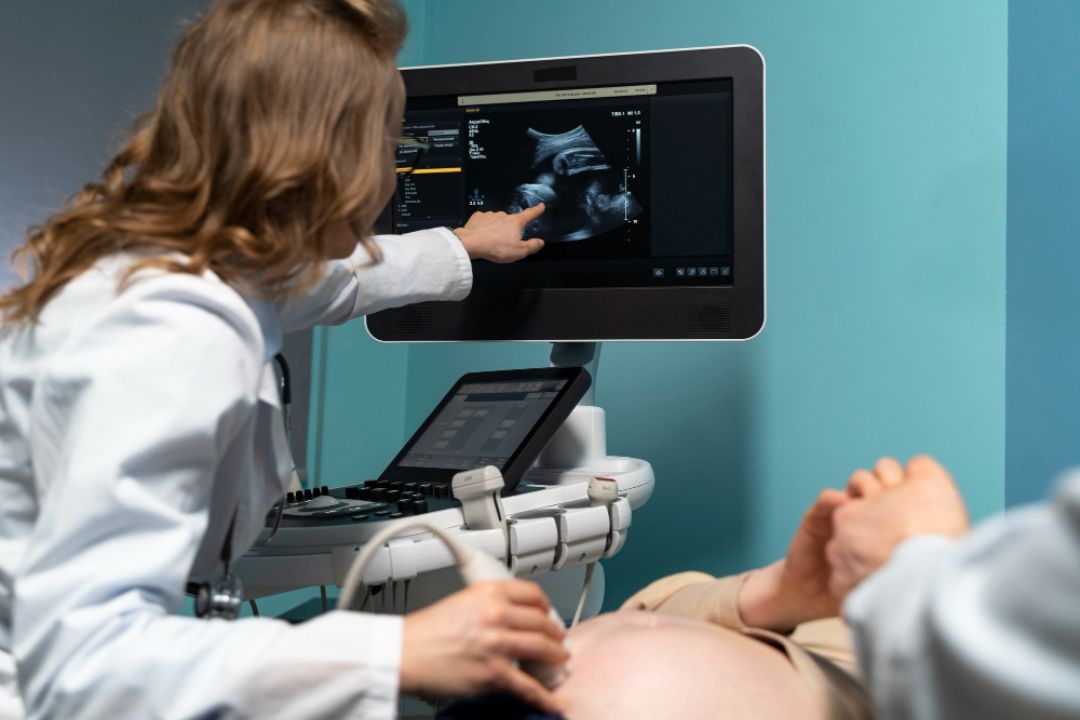



.jpg "Bilateral Foot Ultrasound")


 How It Supports In-Patient Kidney Care.jpg "USG RENAL DOPPLER(IPD)")

 (1).jpg "Healthy Tips every woman should know")
 (2).jpg "Anomaly Scan & Twin Study")