.jpg "wisdom teeth removal")
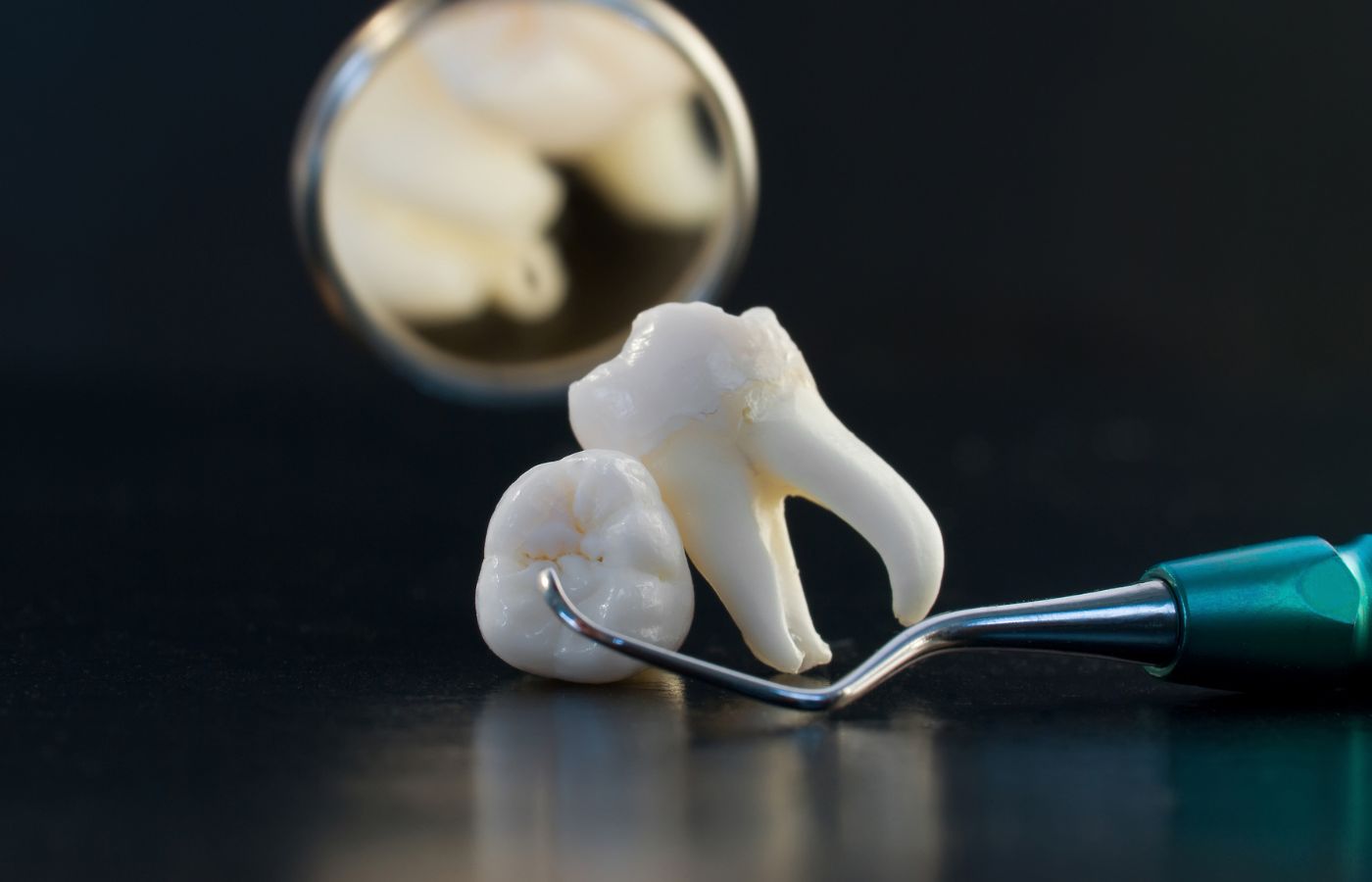
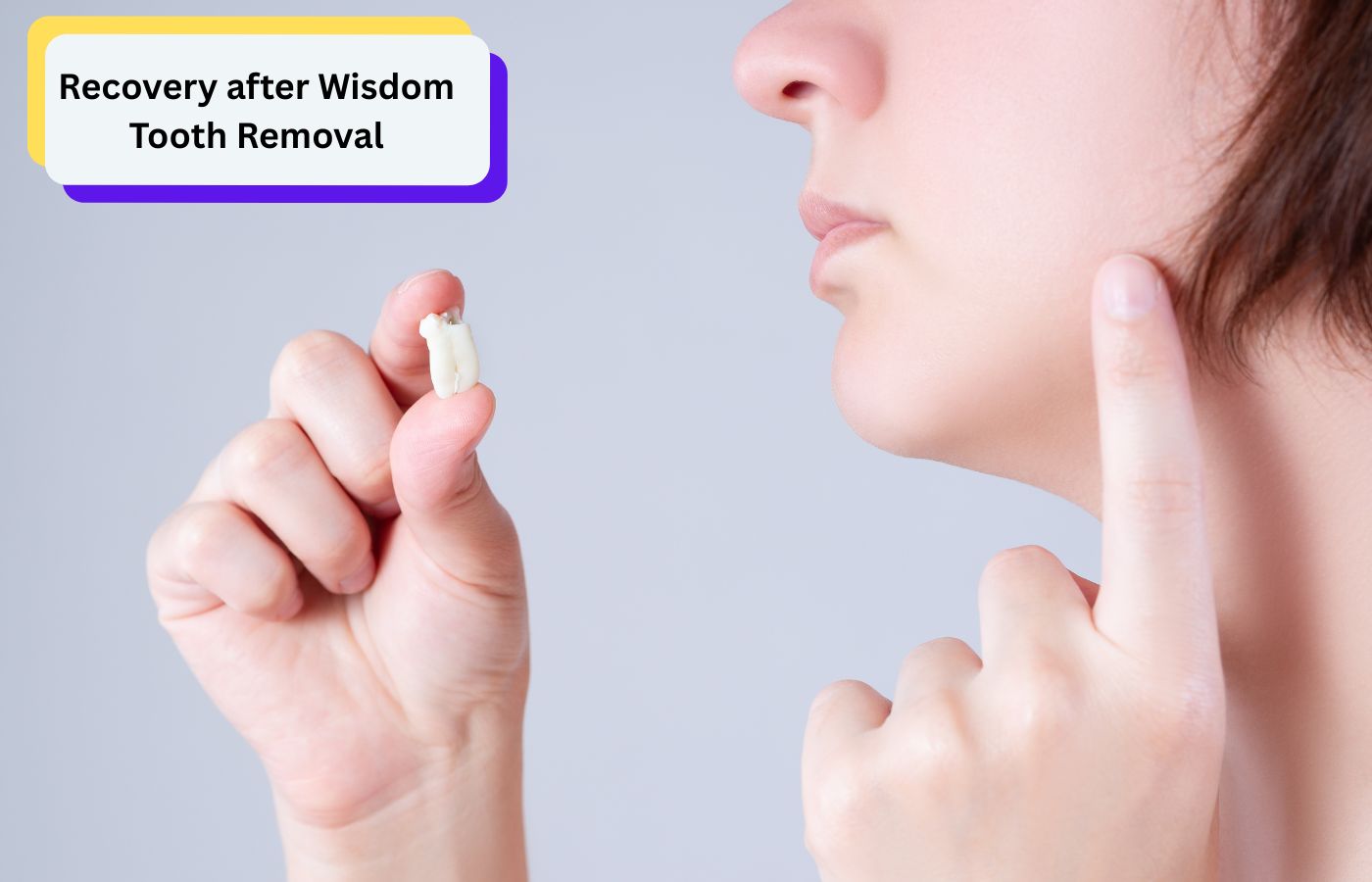
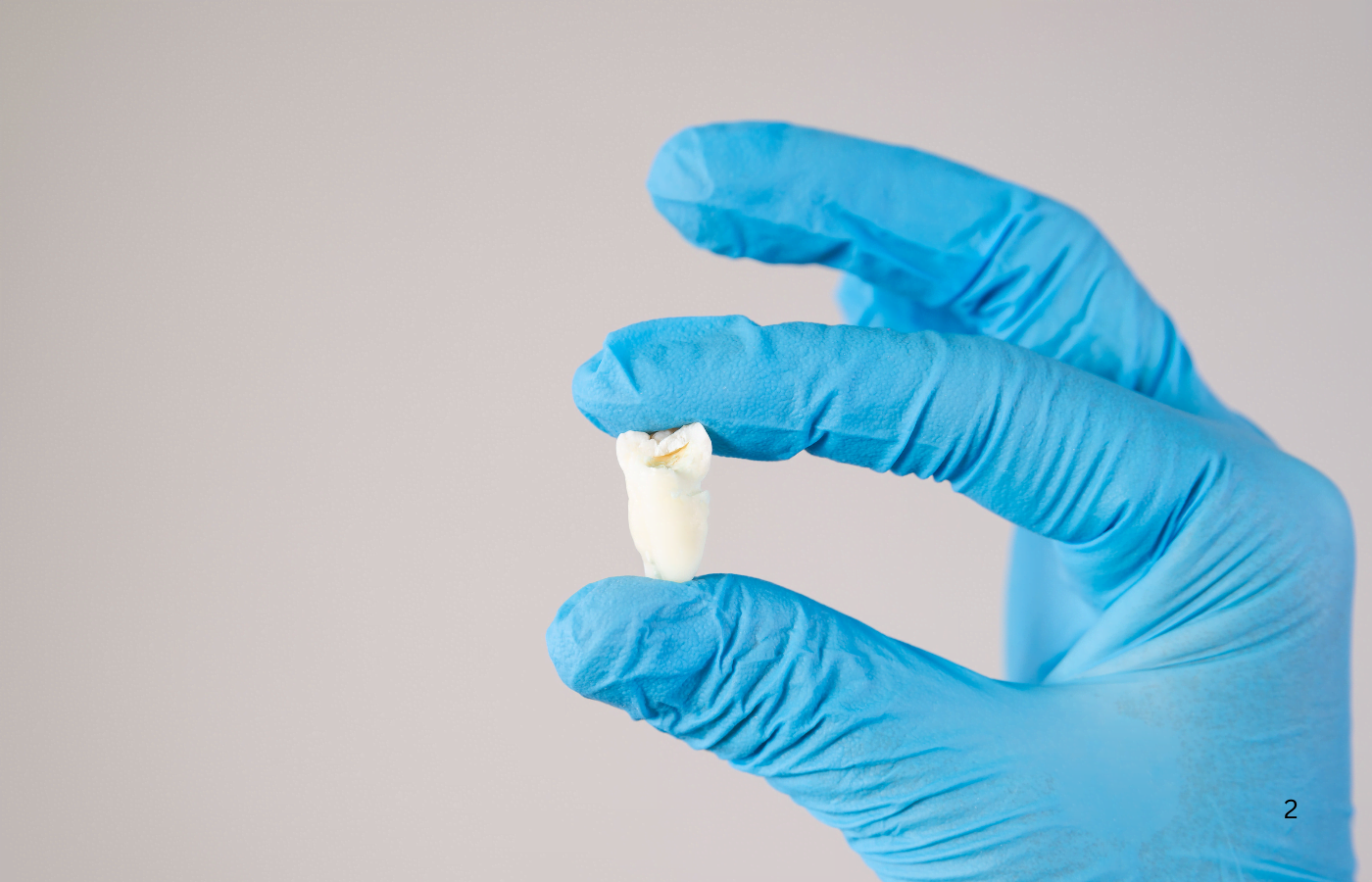
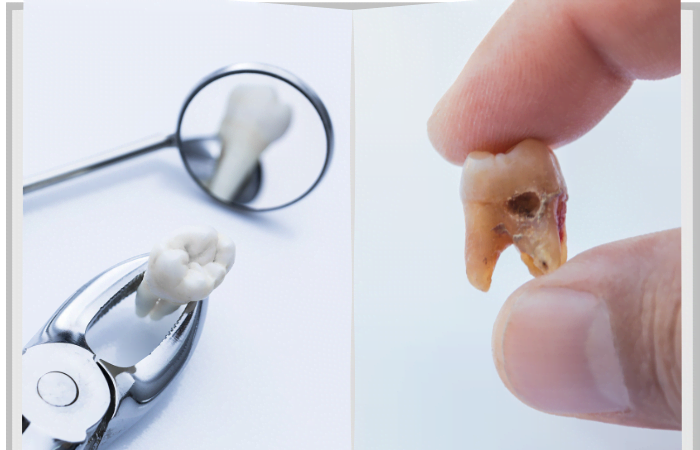
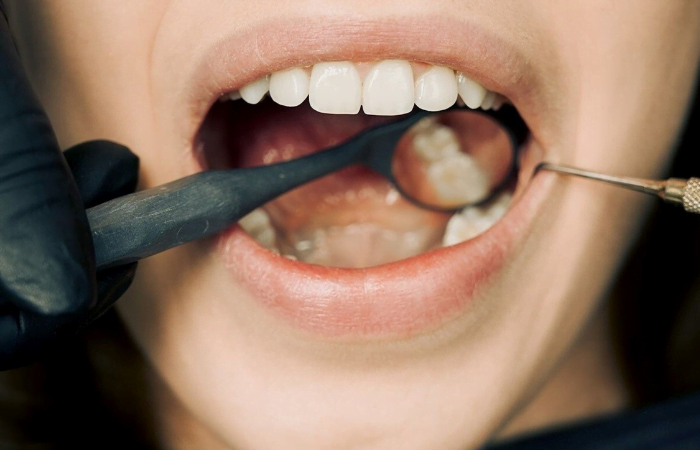
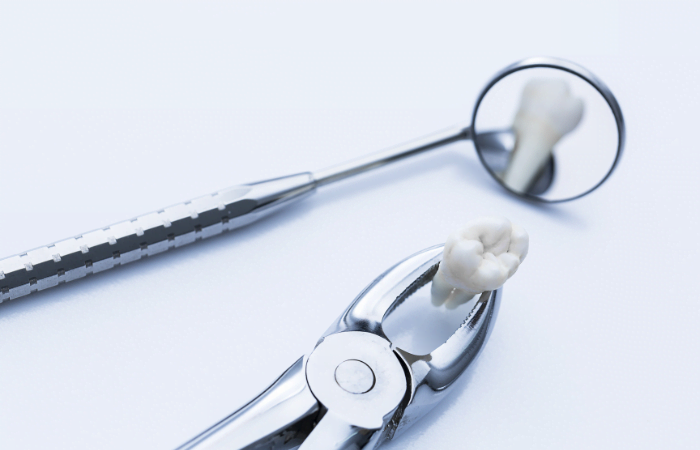
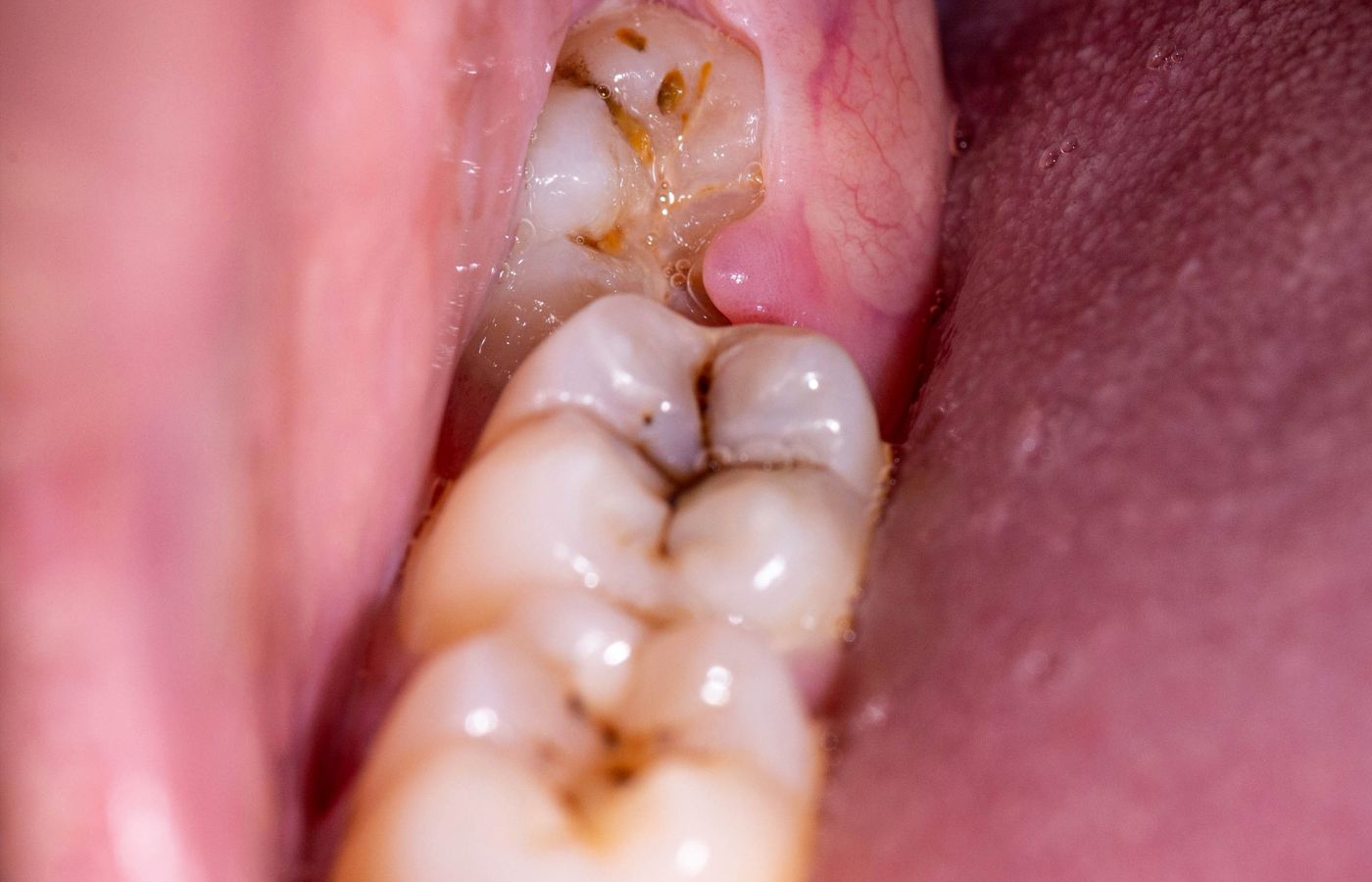
Wisdom teeth, or third molars, are the last teeth to emerge, usually between ages 17 and 25. While some people keep them without issues, many require removal due to complications. Ignoring problematic wisdom teeth can lead to severe dental problems. Here’s how to know if you need extraction, with a focus on comfort, cost, and recovery, especially for readers seeking reliable information on Diagnopein.
Pain or Discomfort: Persistent ache at the back of your mouth often signals impacted wisdom teeth.
Swelling or Redness: Inflamed gums around the area can indicate infection.
Difficulty Opening Mouth: Impacted teeth may restrict jaw movement.
Crowding: Emerging wisdom teeth can shift adjacent teeth, affecting alignment.
Cavities or Gum Disease: Hard-to-reach wisdom teeth are prone to decay and periodontal issues.
Cysts or Damage: Impacted teeth can form cysts, harming jawbone and nerves.
Benefits of Wisdom Teeth Removal
Removing problematic wisdom teeth offers long-term benefits:
Prevents Oral Diseases: Reduces risk of infections, cysts, and gum disease.
Protects Adjacent Teeth: Prevents crowding and damage to nearby molars.
Relieves Pain: Eliminates chronic discomfort and jaw stiffness.
Improves Oral Hygiene: Makes brushing and flossing easier, enhancing overall dental health.
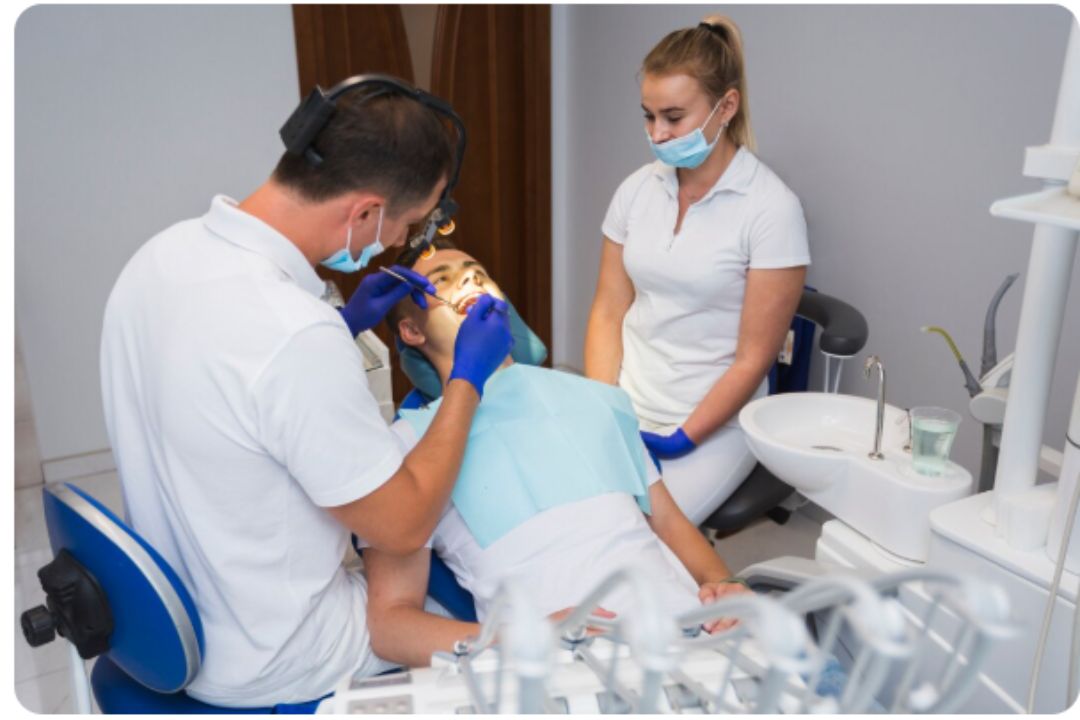
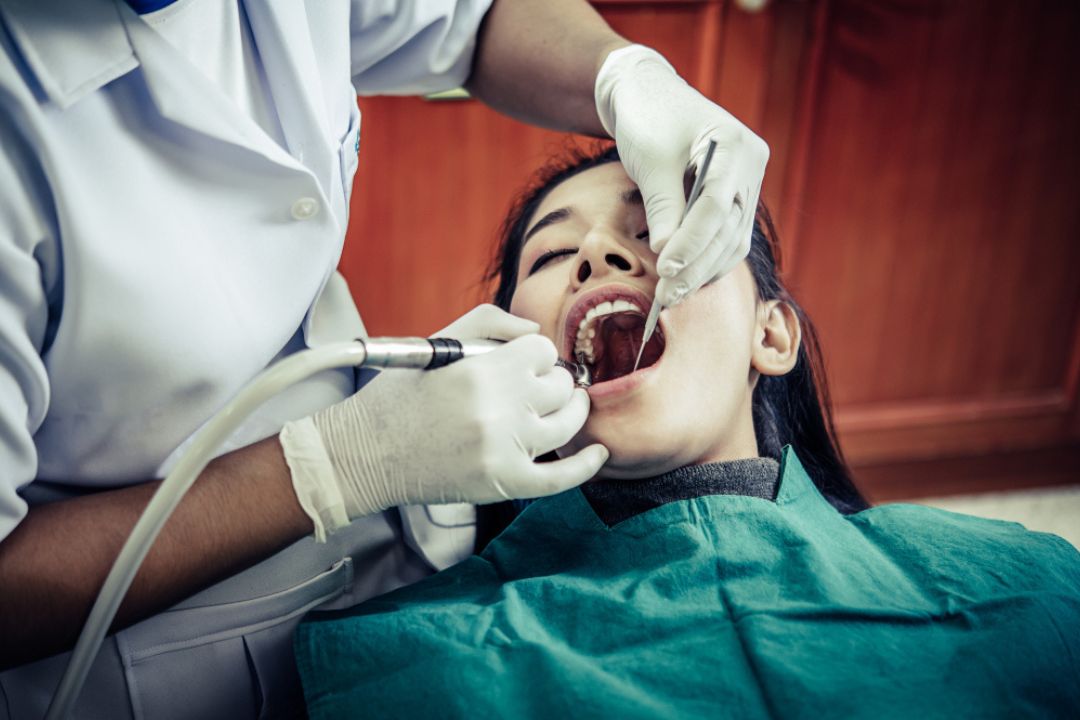
Modern wisdom teeth removal prioritizes patient comfort. Dentists use local anesthesia, sedation, or general anesthesia to ensure a pain-free experience. Diagnopein emphasizes minimally invasive techniques, reducing swelling and speeding recovery. Post-op, patients receive detailed care instructions, including what to eat after wisdom teeth removal and pain management tips.
The cost to remove wisdom teeth varies based on complexity, location, and insurance. Here’s a general breakdown:
Simple Extraction: $75–$200 per tooth (if fully erupted).
Surgical Extraction: $225–$600 per tooth for impacted cases.
Full Mouth Removal: $1,000–$4,000 for all four teeth, depending on anesthesia and clinic fees.
Diagnopein offers transparent pricing and works with insurance to minimize out-of-pocket expenses. Factors affecting wisdom teeth removal cost include:
Tooth impaction level
Anesthesia type
Geographic location
Dental insurance coverage
Recovery and Diet: What Can I Eat After Wisdom Teeth Removal?
Post-surgery diet is crucial for healing. Stick to soft, cool foods initially:
First 24 Hours: Opt for liquids like broths, smoothies (no straws), and apple sauce.
Days 2–4: Add mashed potatoes, yogurt, scrambled eggs, and oatmeal.
Days 5–7: Incorporate soft pasta, cooked vegetables, and fish.
Avoid hot, spicy, crunchy, or acidic foods that may irritate the site. How long after wisdom teeth removal can I eat normal foods? Typically, patients resume a regular diet within 1–2 weeks, but follow your dentist’s advice.
Expert Diagnosis: Advanced imaging (X-rays, CT scans) for precise assessment.
Comfort-Focused Care: Sedation options and pain management for a stress-free experience.
Cost Transparency: Clear breakdown of how much does it cost to remove wisdom teeth with flexible payment plans.
Personalized Recovery Plans: Tailored guidance on foods to eat after wisdom teeth removal and activity restrictions.
Wisdom teeth removal is a common but significant procedure. Recognizing early signs, understanding costs, and following proper recovery steps ensure optimal outcomes. Diagnopein combines expertise, comfort, and affordability, making it a top choice for patients. If you’re experiencing symptoms, schedule a consultation to explore your options.






.jpg "wisdom teeth removal")



.jpg "wisdom teeth removal")


.jpg "wisdom teeth removal")
.jpg "Wisdom Tooth Surgery Recovery")