Malaria remains one of the world’s most formidable infectious diseases. But have you ever wondered exactly how this parasite moves from mosquitoes to humans? The process is a fascinating, yet deadly, cycle orchestrated by the female Anopheles mosquito. Understanding this transmission is the first step toward effective prevention and, crucially, timely diagnosis. In this post, we’ll unveil the journey of the malaria parasite and highlight why modern diagnostic tools like the rapid malaria antigen test are game-changers in managing this disease.
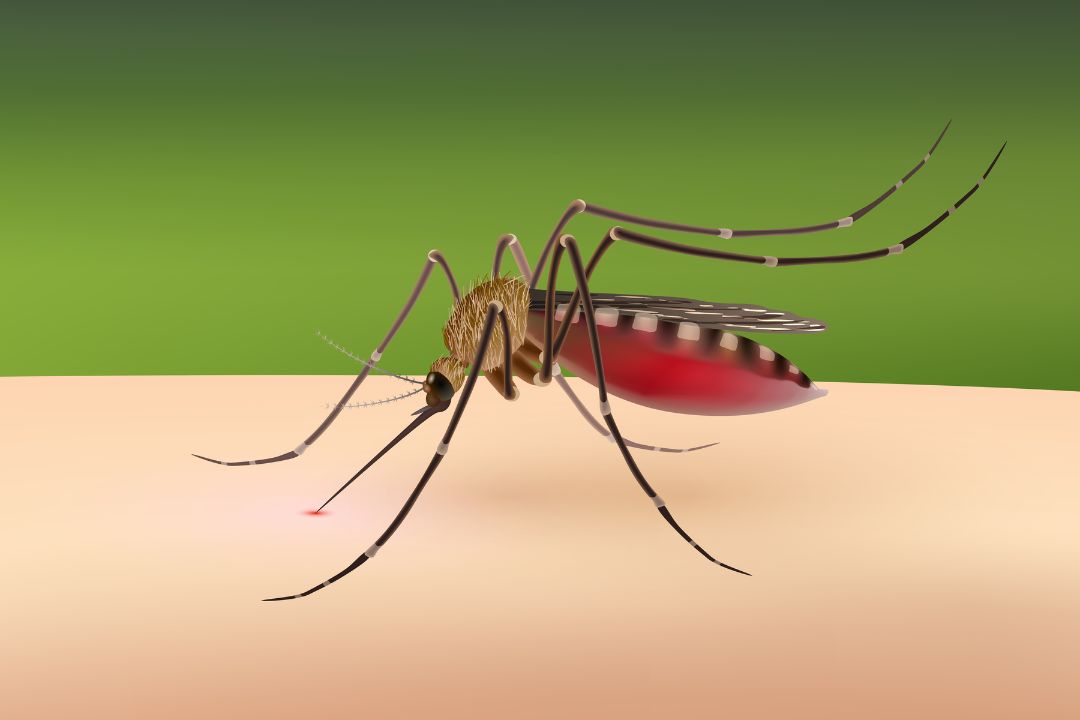
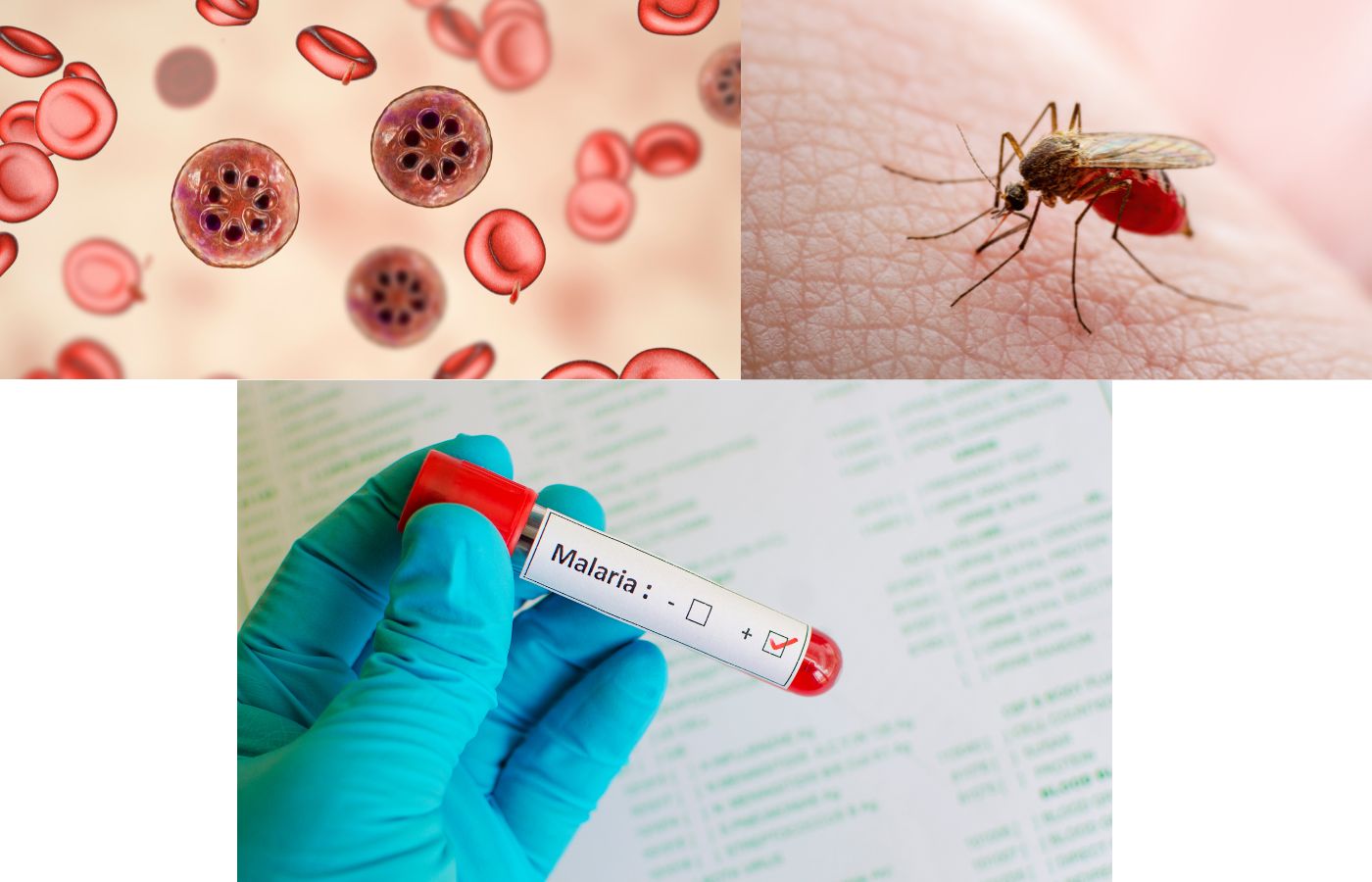
Malaria is a life-threatening infectious disease caused by Plasmodium parasites. These parasites enter the human body through the bite of an infected female Anopheles mosquito.
Once inside the body, the parasite multiplies in the liver and then infects red blood cells. Without timely diagnosis and treatment, malaria can lead to serious complications.
In densely populated cities like Mumbai, awareness and early testing play a crucial role in controlling outbreaks.
The spread of malaria follows a specific biological cycle. Only the female Anopheles mosquito can transmit malaria.
1. Mosquito bites an infected person
When a female Anopheles mosquito bites a person who already has malaria, it ingests the parasite along with blood.
2. Parasite develops inside the mosquito
The parasite undergoes development inside the mosquito’s body over several days.
3. Mosquito bites a healthy person
When the infected mosquito bites another individual, the parasites enter the bloodstream.
4. Parasite multiplies in the liver
The parasites first grow silently in the liver.
5. Infection spreads in red blood cells
They then invade red blood cells, causing typical malaria symptoms.
This is why mosquito control is extremely important in urban areas like Mumbai.
Not all mosquitoes spread malaria. The Anopheles mosquito has unique characteristics that make it an efficient carrier.
Active mainly at night
Breeds in clean stagnant water
Silent biting pattern
Capable of long-distance flight
In coastal and humid regions such as Mumbai, environmental conditions often support mosquito breeding, especially during monsoon months.
Recognizing early symptoms can help you seek timely malaria testing in Mumbai.
High fever with chills
Sweating
Headache
Body ache
Fatigue
Nausea and vomiting
Persistent vomiting
Breathing difficulty
Confusion
Seizures
Severe weakness
If you notice these signs, doctors recommend immediate malaria blood test in Mumbai to confirm the infection.
Certain groups in Mumbai are more vulnerable to malaria infection.
People living near stagnant water
Construction site workers
Children and elderly
Individuals with weak immunity
Residents in high mosquito-density zones
Regular screening and preventive measures are strongly advised in high-risk areas of Mumbai.
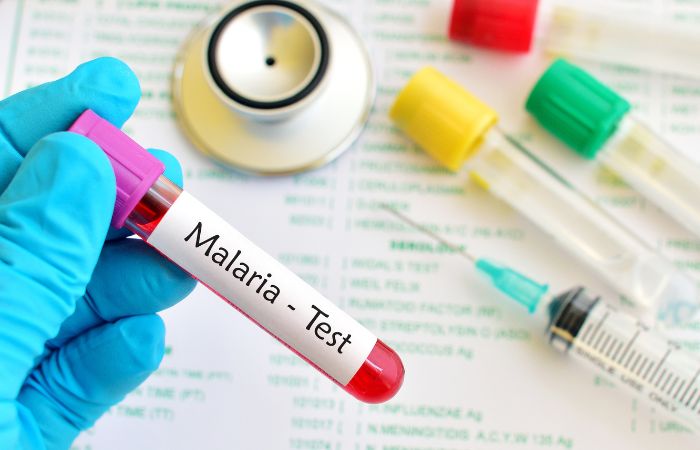
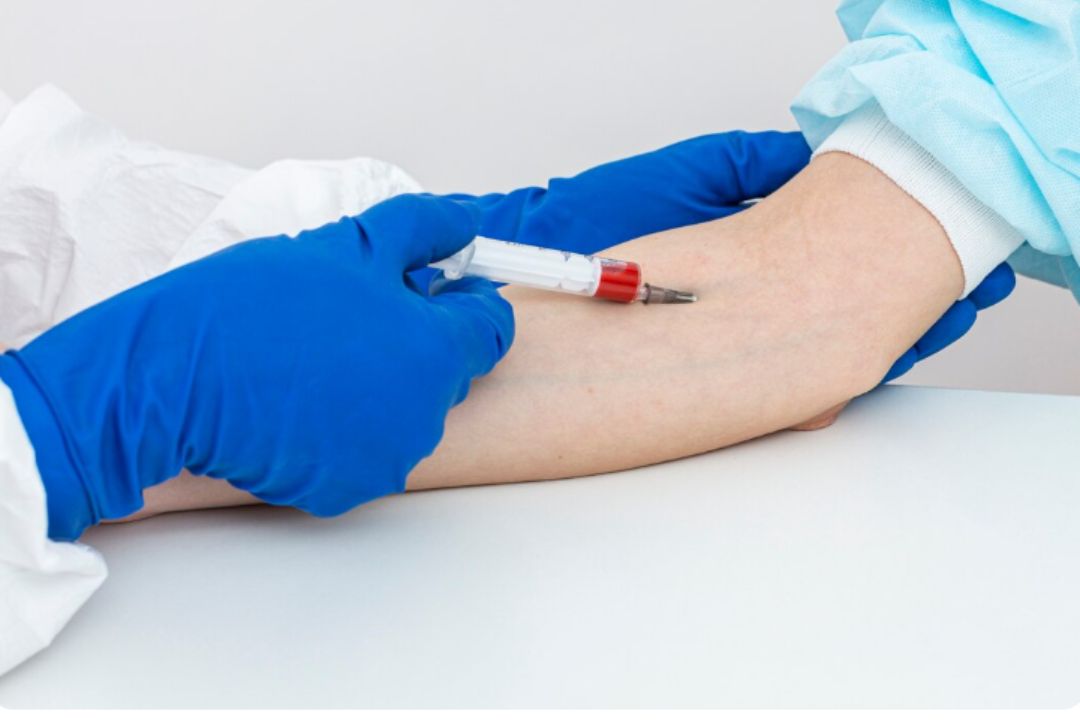
Early diagnosis is the most effective way to prevent complications. A simple malaria test in Mumbai can detect the infection quickly.
Confirms infection accurately
Helps start treatment early
Prevents severe complications
Reduces transmission risk
Supports faster recovery
Most diagnostic centers in Mumbai provide quick and reliable malaria testing services.
Doctors may recommend different tests depending on symptoms and clinical suspicion.
1. Peripheral smear test
Microscopic examination of blood to detect parasites.
2. Rapid malaria antigen test
Provides quick results within minutes.
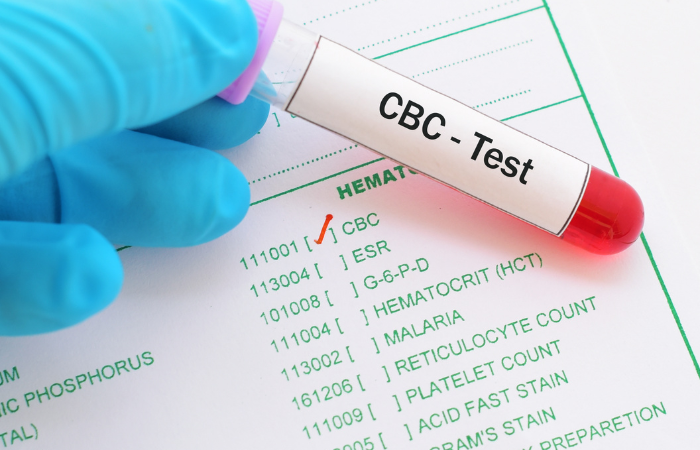
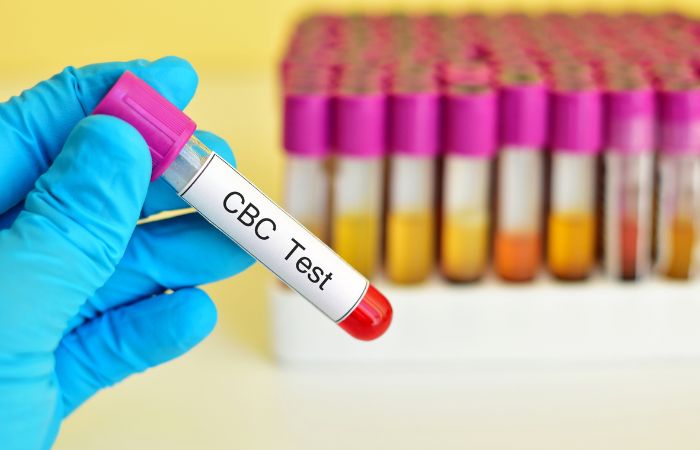
3. Complete blood count (CBC)
Helps evaluate infection impact.
4. PCR test
Highly sensitive but used in specific cases.
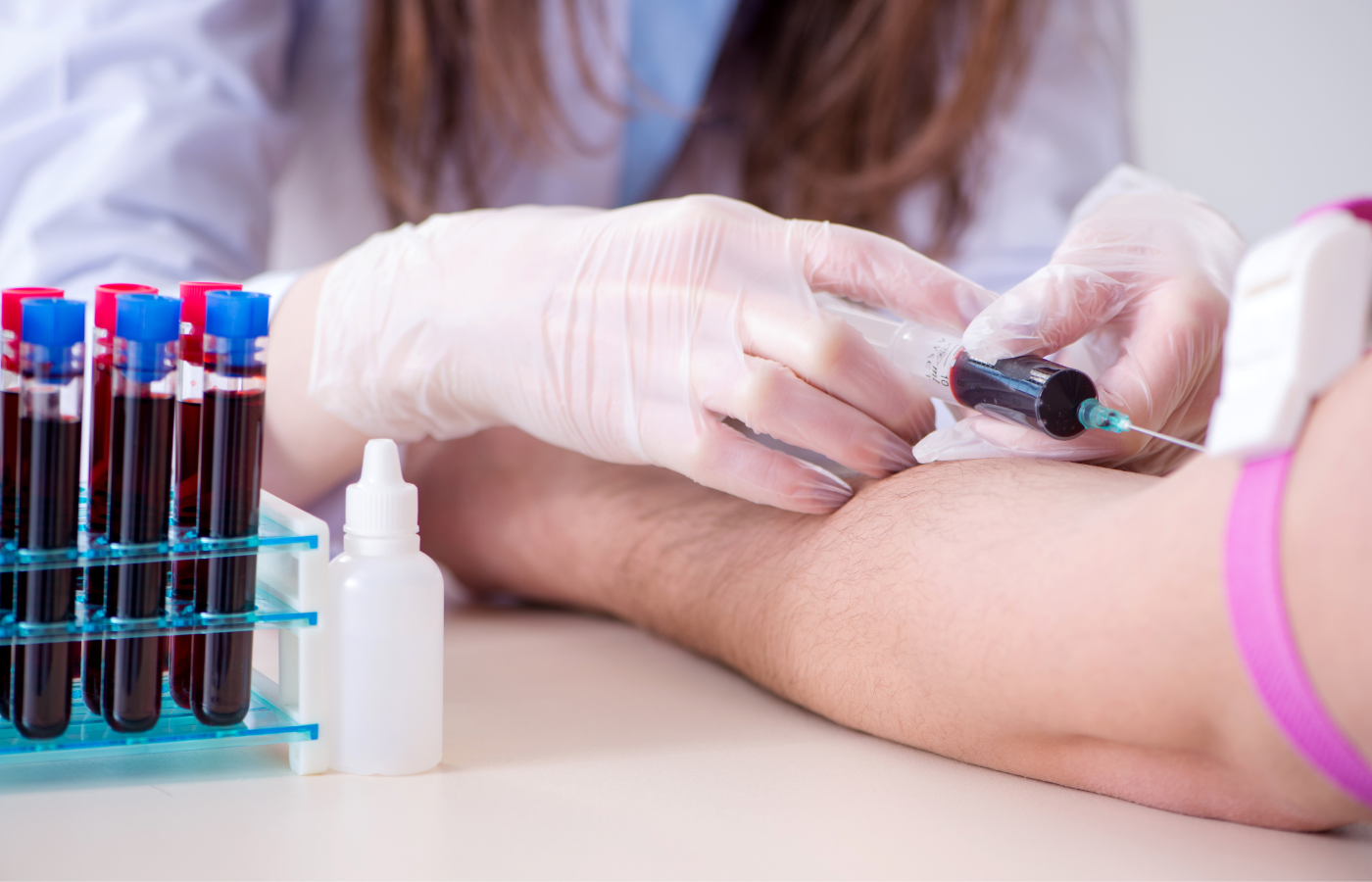
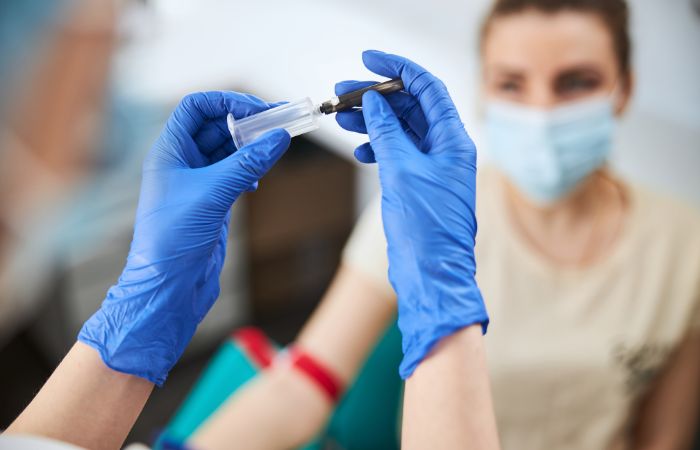
For accurate results, always choose a trusted pathology lab offering malaria blood test in Mumbai.
Do not ignore fever during monsoon season in Mumbai. Testing is recommended if you experience:
Fever for more than 2 days
Fever with chills
Travel to malaria-prone areas
Unexplained weakness
Recurring fever pattern
Timely malaria testing in Mumbai can prevent hospitalization in many cases.
Prevention is always better than cure, especially in mosquito-prone cities like Mumbai.
Use mosquito repellents
Install window screens
Avoid stagnant water near home
Use mosquito nets while sleeping
Wear full-sleeve clothing at night
Keep surroundings clean
Community awareness and hygiene play a major role in malaria control across Mumbai.
Accurate diagnosis depends heavily on the quality of the laboratory.
Experienced pathologists
Advanced testing equipment
Quick report delivery
Hygienic sample collection
Affordable pricing
NABL accreditation
Trusted diagnostic providers like Diagnopein offer dependable malaria blood test in Mumbai with fast turnaround time.
Malaria continues to be a major public health concern, especially in densely populated regions like Mumbai. Understanding how the Anopheles mosquito spreads the disease can help individuals take timely preventive steps.
If you experience fever with chills or suspect malaria, do not delay testing. Booking a reliable malaria test in Mumbai ensures early detection, proper treatment, and faster recovery.
Staying alert, maintaining hygiene, and choosing trusted diagnostic services can significantly reduce malaria risk in Mumbai.

















.jpg "diabetes")



.jpg "pcos lifestyle")





























.jpg "FSH Test")






.jpg "urine potassium in hypokalemia")



















.jpg "How to Prevent Hepatitis")

.jpg "Acute-Phase Reactants")
.jpg "Anemia: Causes")

.jpg "Manage Cirrhosis")

.jpg "Types of Tuberculosis")
.png "Tested for Multiple Myeloma")



 (1).jpg "Urine Cortisol Test at Diagnopein")
 (1).jpg "Aldolase & its role")
 (1).jpg "Beta-Thalassemia Major at Diagnopein")
.jpg "Typhoid treatment")
 (1).jpg "Kidney Stones Demystified")
 (1).jpg "Blood infection signs & diagnosis")
 (1).jpg "From HIV to AIDS")


.jpg "Multiple Myeloma")
 (1).jpg "Know about Chikungunya Fever")
.jpg "Diagnopein Stands Out")














 disorders.jpg "gastrointestinal (GI) disorders")







.jpg "symptoms of Chikungunya & How is Chikungunya diagnosed?")



.jpg "COMMON PATHALOGICAL BLOOD TESTS")




















.png "how to manage diabetes")