In the busy rhythm of family life, health often takes a backseat until a problem arises. However, the smartest, most proactive approach to safeguarding your family’s well-being isn't reactive—it’s preventive. Regular health check-ups are the cornerstone of this strategy, offering a powerful shield against illness and providing peace of mind. For a family, this isn’t just a medical appointment; it’s an investment in a healthier, happier future together.
The Unbeatable Benefit: Catching Problems Before They Become Crises
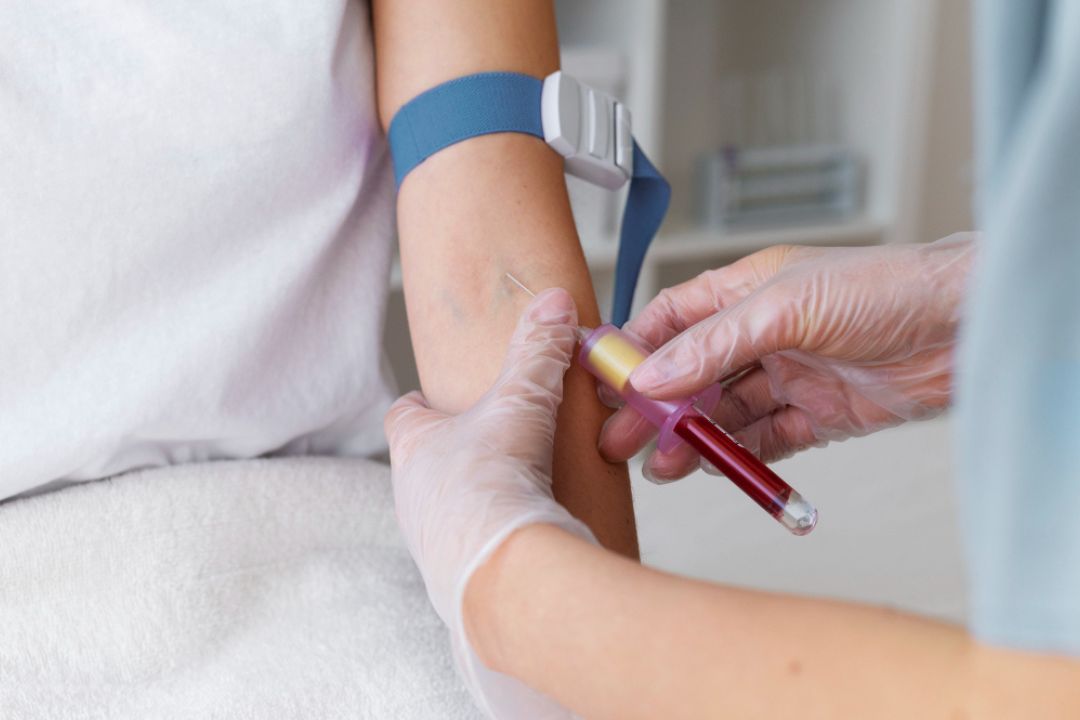
The paramount benefit of regular health check-ups is early diagnosis. This concept, often termed diagnopein (a focus on proactive diagnosis), is the game-changer. Think of it as routine maintenance for your car; you change the oil not when the engine seizes, but to prevent it from happening.
For your family, this means:
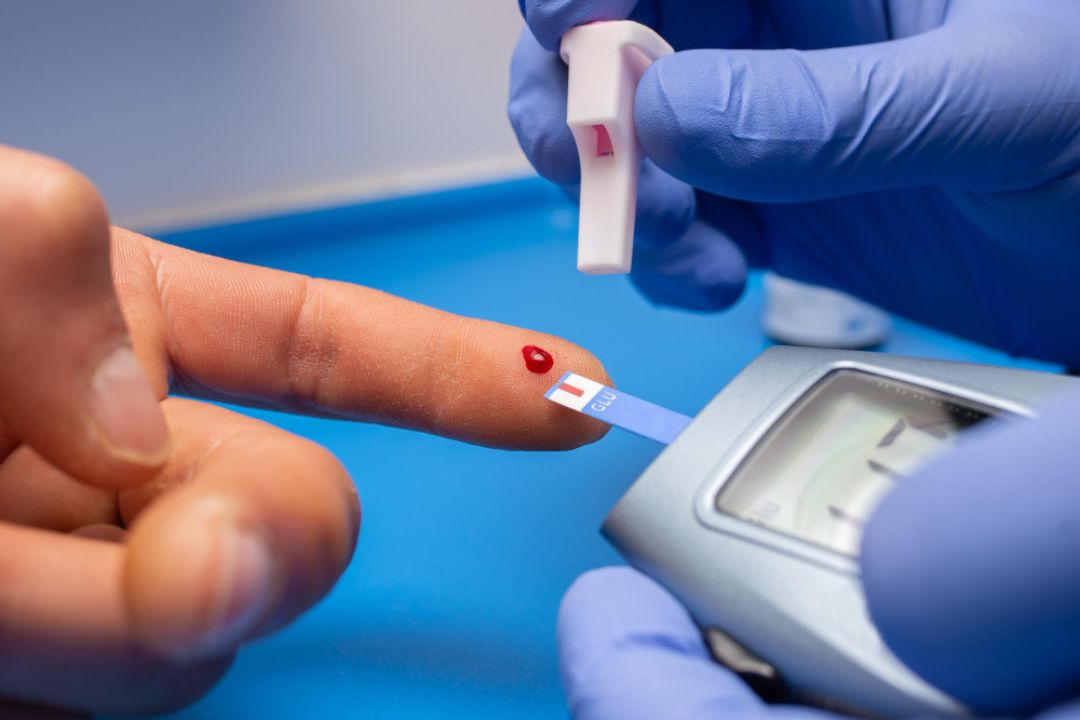
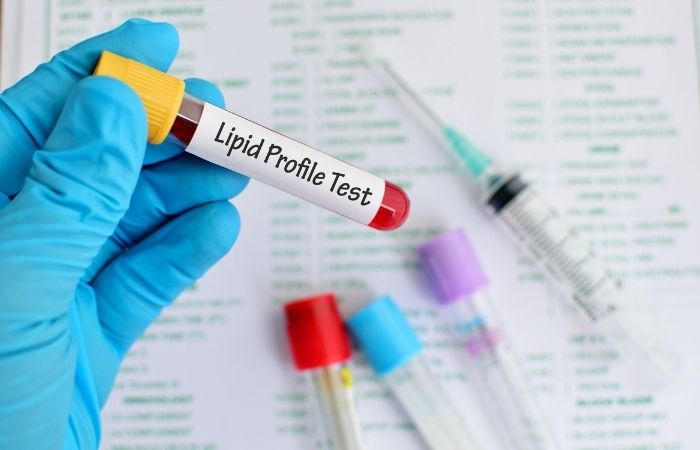
Silent Conditions Revealed: Many serious health issues like high blood pressure, high cholesterol, diabetes, and certain cancers show few to no symptoms in early stages. Regular screenings detect these silently, allowing for early intervention.
Managing Genetic Risks: If there’s a family history of conditions like heart disease or diabetes, preventive care through check-ups helps monitor risk factors and implement lifestyle changes early.
Building a Health Baseline: Annual results create a personalized health profile for each family member. Doctors can spot subtle changes over time that might be missed in a one-off visit, making diagnopein truly effective.
Promoting Lifelong Healthy Habits: For children, consistent check-ups normalize healthcare and instill the importance of preventive care from a young age. Discussions about nutrition, mental health, and safety become routine.
Costing: An Investment, Not an Expense
The perception of cost is the biggest hurdle for families. It’s crucial to reframe this: regular health check-ups are a strategic financial investment in long-term health.
The High Cost of Late Diagnosis: Treating a disease at an advanced stage (like heart disease, cancer, or kidney failure) is exponentially more expensive than managing it early. Hospitalizations, surgeries, and long-term medications create significant financial and emotional strain.
Insurance and Preventive Care: Most health insurance plans fully cover annual preventive check-ups and health screenings. Utilizing these benefits means you are accessing pre-paid care that can save you from future, high-deductible costs.
Affordable Packages: Many hospitals and clinics offer comprehensive family health check-up packages at reasonable rates. View this as essential budgeting, similar to education or groceries—a non-negotiable for family welfare.
Comfort: The Priceless Peace of Mind
Beyond charts and numbers, the greatest return is comfort. The anxiety of "what if" is replaced with knowledge and control.
Peace of Mind for Parents: Knowing that you, your partner, and your children have a clean bill of health provides immense relief and reduces background stress.
Empowerment Through Knowledge: Check-ups provide clarity. You leave with actionable data about your health, empowering you to make informed decisions about diet, exercise, and lifestyle for the whole family.
A Trusted Medical Relationship: Regular visits build a strong rapport with your family doctor. This comfort makes it easier to discuss sensitive issues and ensures care is personalized and consistent.
Conclusion: Diagnopein – The Family’s Health Compass
In conclusion, choosing to prioritize regular health check-ups is the smartest, most loving decision you can make for your family. It transforms healthcare from a fear-based reaction to a confident, proactive journey. The moderate, often covered cost pales in comparison to the financial and emotional toll of a late-stage illness

















.jpg "diabetes")



.jpg "pcos lifestyle")




































.jpg "FSH Test")








.jpg "urine potassium in hypokalemia")





















.jpg "How to Prevent Hepatitis")

.jpg "Acute-Phase Reactants")
.jpg "Anemia: Causes")

.jpg "Manage Cirrhosis")

.jpg "Types of Tuberculosis")
.png "Tested for Multiple Myeloma")

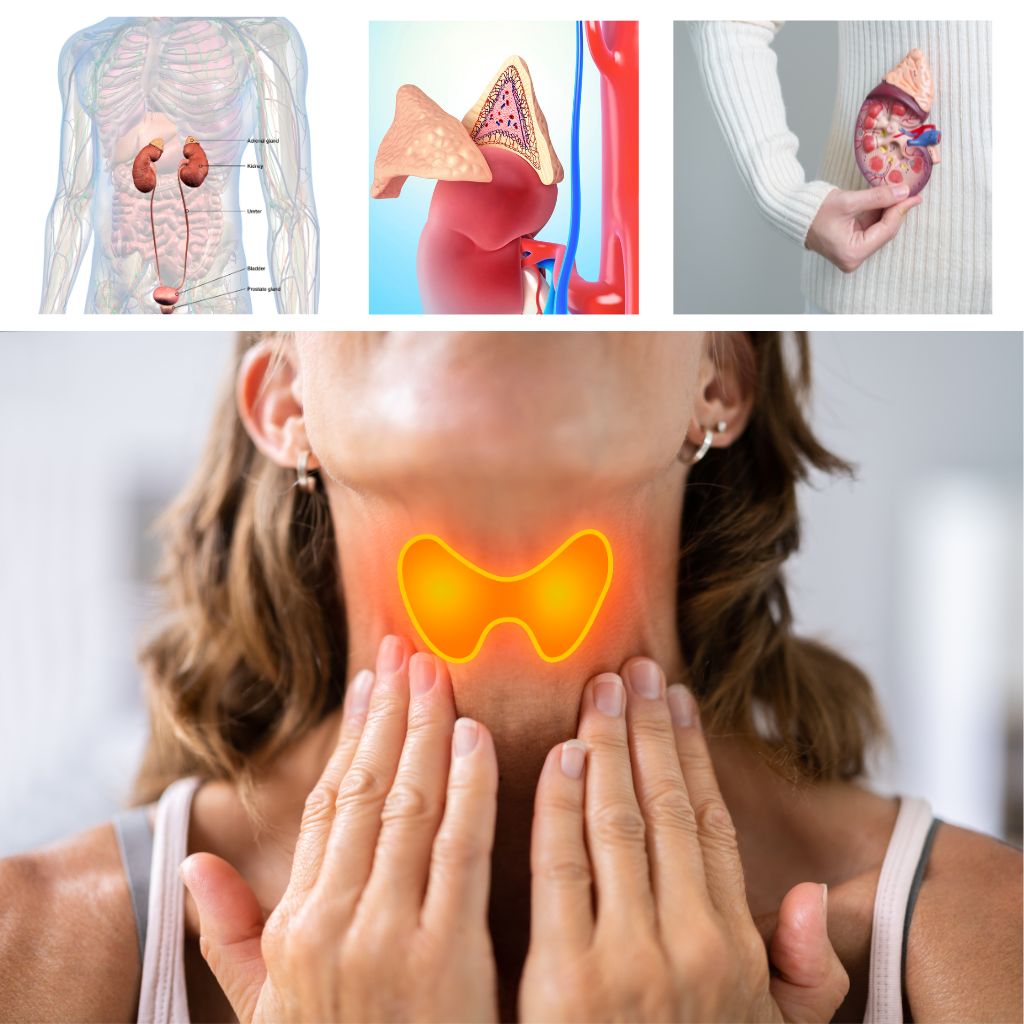

 (1).jpg "Urine Cortisol Test at Diagnopein")
 (1).jpg "Aldolase & its role")
 (1).jpg "Beta-Thalassemia Major at Diagnopein")
.jpg "Typhoid treatment")
 (1).jpg "Kidney Stones Demystified")
 (1).jpg "Blood infection signs & diagnosis")
 (1).jpg "From HIV to AIDS")


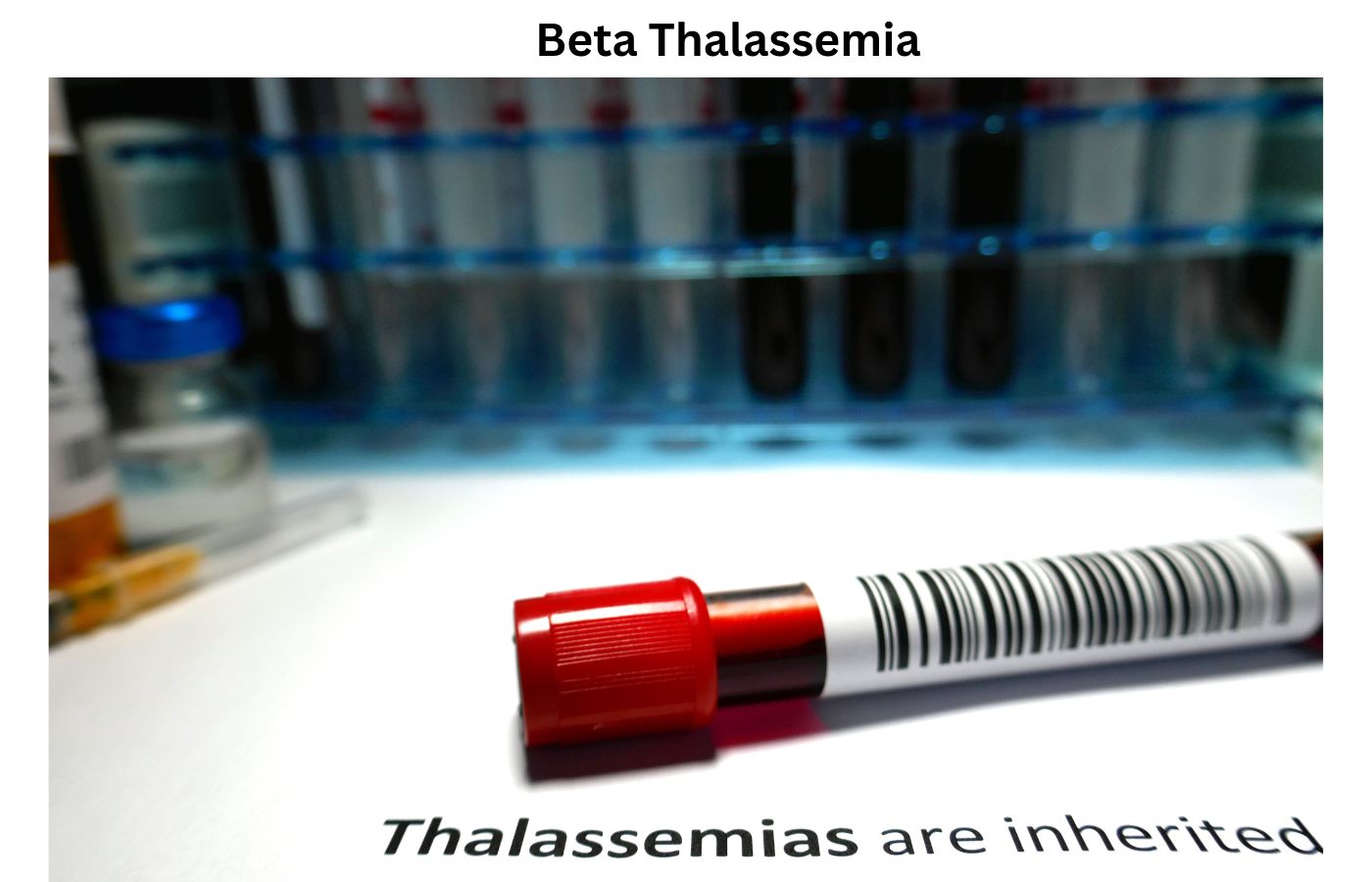
.jpg "Multiple Myeloma")
 (1).jpg "Know about Chikungunya Fever")
.jpg "Diagnopein Stands Out")
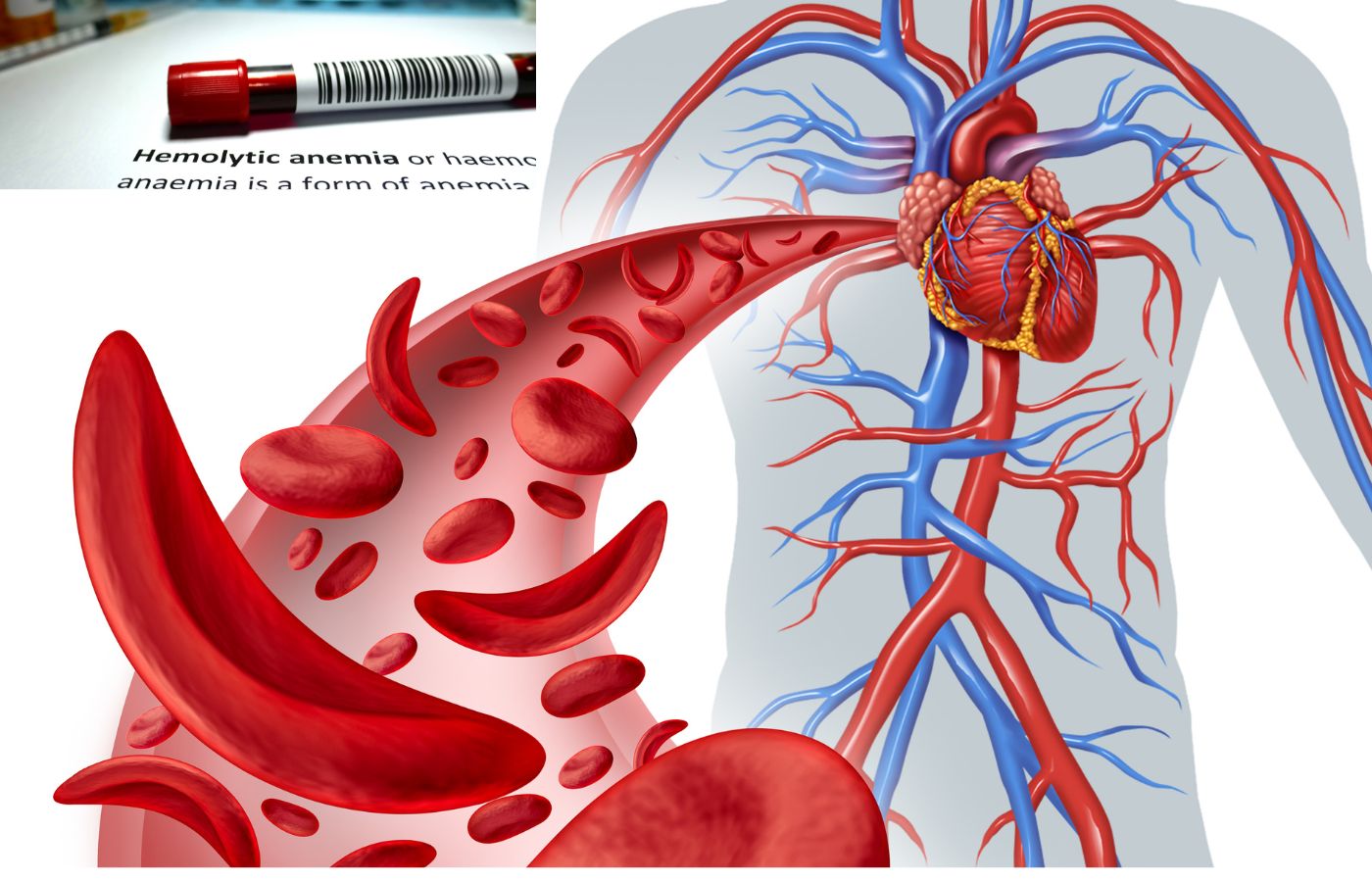
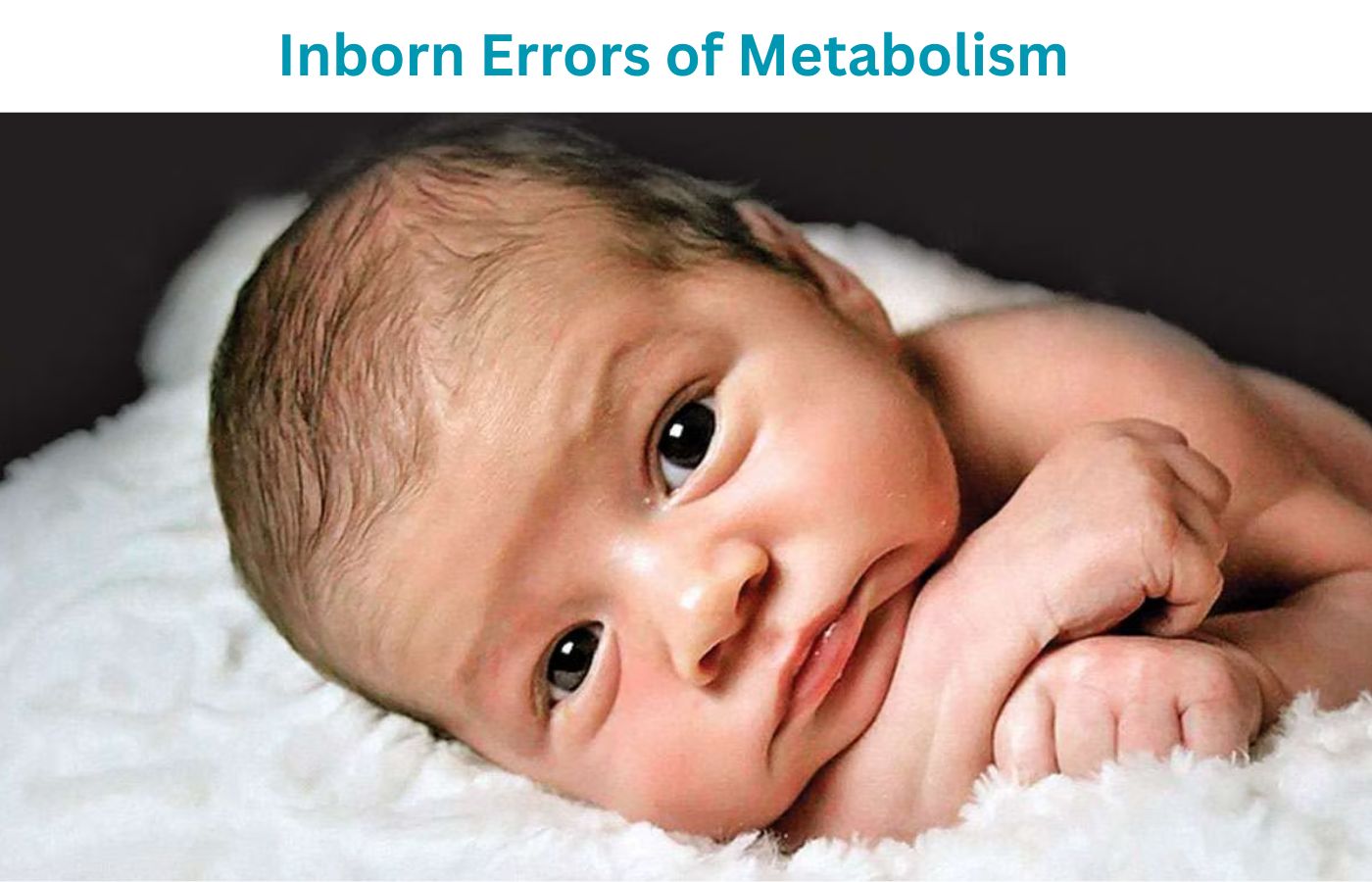














 disorders.jpg "gastrointestinal (GI) disorders")







.jpg "symptoms of Chikungunya & How is Chikungunya diagnosed?")



.jpg "COMMON PATHALOGICAL BLOOD TESTS")





















.png "how to manage diabetes")