Inflammation is the body’s natural defense mechanism against infection, injury, or harmful stimuli. When inflammation occurs, the body triggers a complex immune response known as the acute phase response. During this process, the liver produces specific proteins called acute phase reactants (APRs).
Understanding acute phase reactants and why doctors order these tests can help patients better interpret their lab results and understand their health condition.
Acute phase reactants are blood proteins whose levels increase or decrease in response to inflammation. They are mainly produced by the liver when inflammatory cytokines (such as interleukin-6) signal that the body is under stress.
These proteins do not diagnose a specific disease. Instead, they indicate that inflammation is present somewhere in the body.
Acute phase reactants are classified into two main categories
Book Now: https://www.diagnopein.com/book-test/Pune
These proteins rise in response to infection, tissue injury, autoimmune disorders, or trauma.
Common examples include:
C-Reactive Protein (CRP)
Erythrocyte Sedimentation Rate (ESR)
Ferritin
Fibrinogen
Serum Amyloid A (SAA)
Haptoglobin
Procalcitonin
CRP is one of the most commonly ordered inflammatory markers.
These proteins decrease when inflammation occurs:
Albumin
Transferrin
Prealbumin
A drop in these proteins may indicate ongoing inflammation or chronic disease.
Doctors order these tests for several important reasons:
Acute phase reactant tests help identify whether inflammation is present, even when symptoms are unclear.
Conditions where these tests are commonly used:
Bacterial or viral infections
Autoimmune diseases
Chronic inflammatory conditions
Tissue injury
Cancer
Certain markers help differentiate between types of infections
Visit Now: https://www.diagnopein.com
CRP rises rapidly in bacterial infections.
Procalcitonin is often elevated in severe bacterial infections or sepsis.
Doctors use these values to decide whether antibiotics are needed and to monitor treatment response.
In diseases such as:
Rheumatoid arthritis
Lupus
Inflammatory bowel disease
Vasculitis
CRP and ESR levels are regularly checked to measure disease activity and flare-ups.
High-sensitivity CRP (hs-CRP) is used to assess the risk of heart disease. Persistent low-grade inflammation is linked to:
Atherosclerosis
Heart attacks
Stroke
Higher hs-CRP levels may indicate increased cardiovascular risk.
After surgery or injury, acute phase reactants naturally rise. Monitoring these levels helps doctors detect complications such as:
Post-operative infections
Delayed healing
Internal inflammation
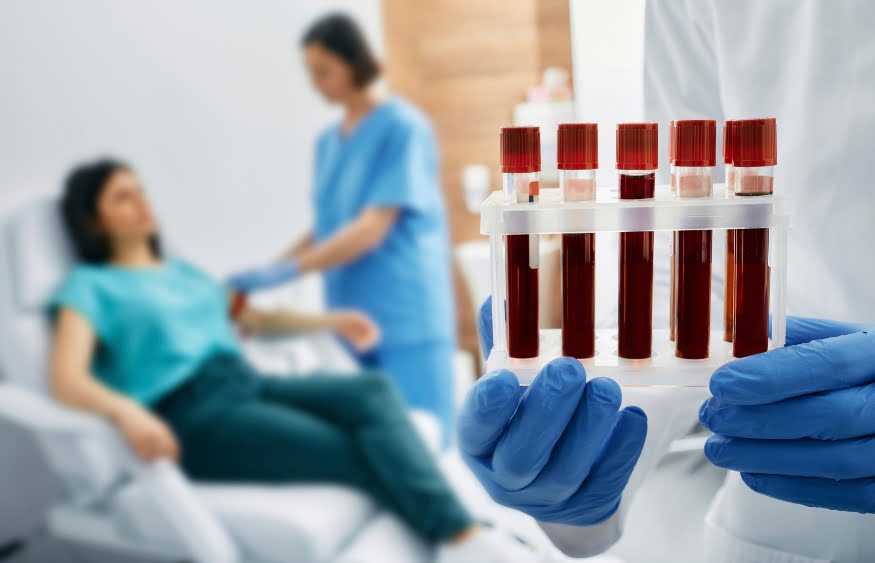
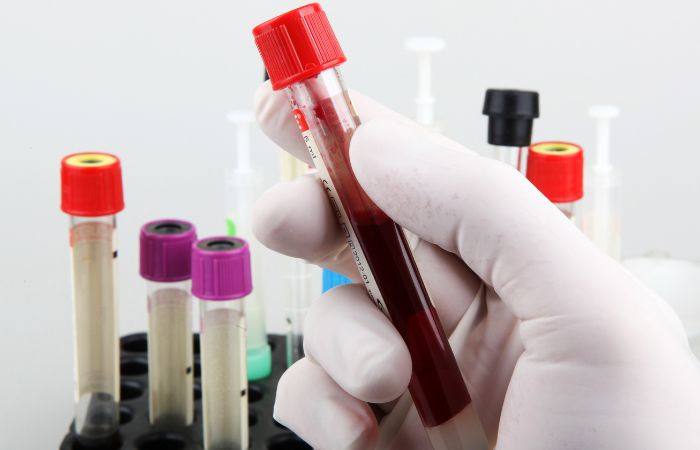
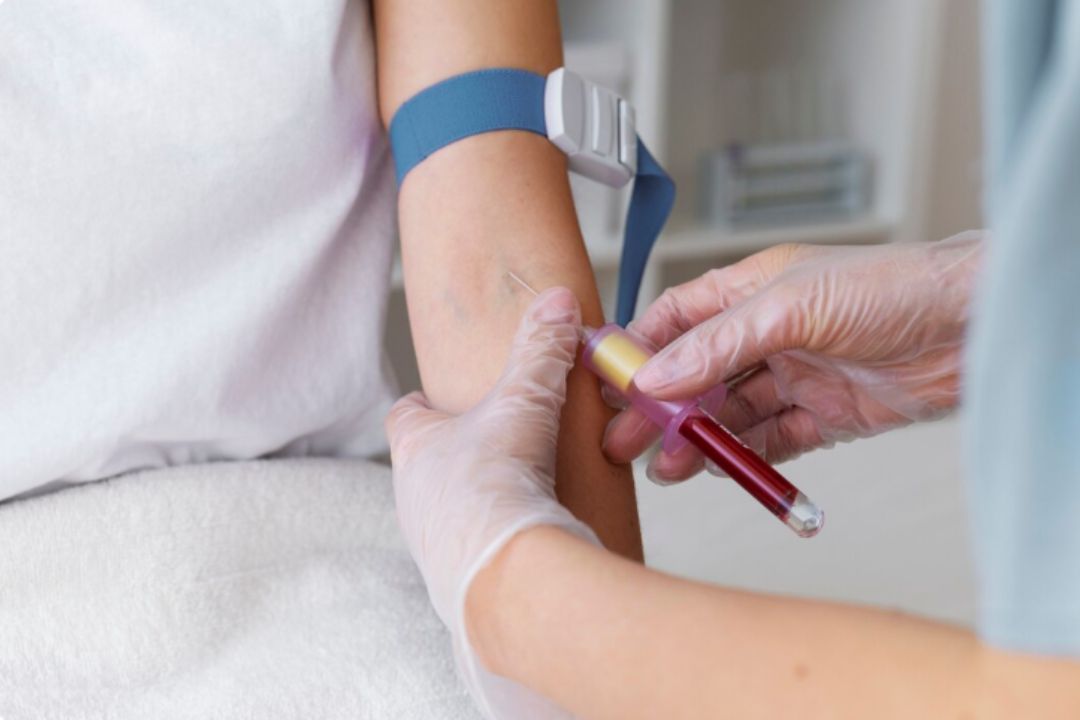
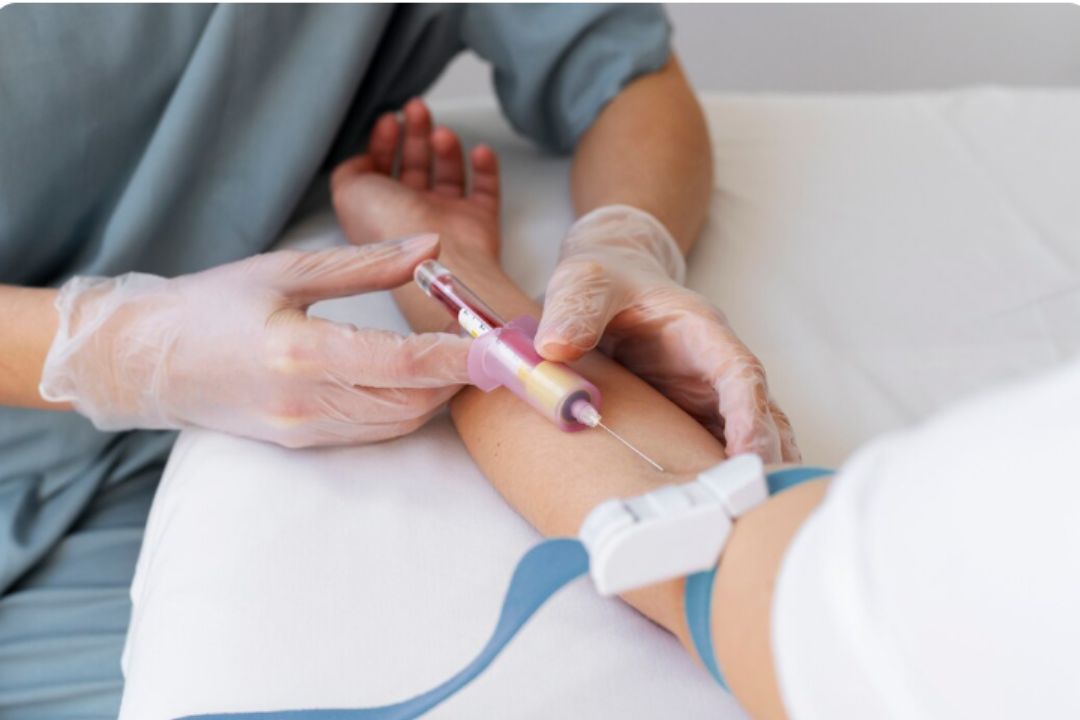
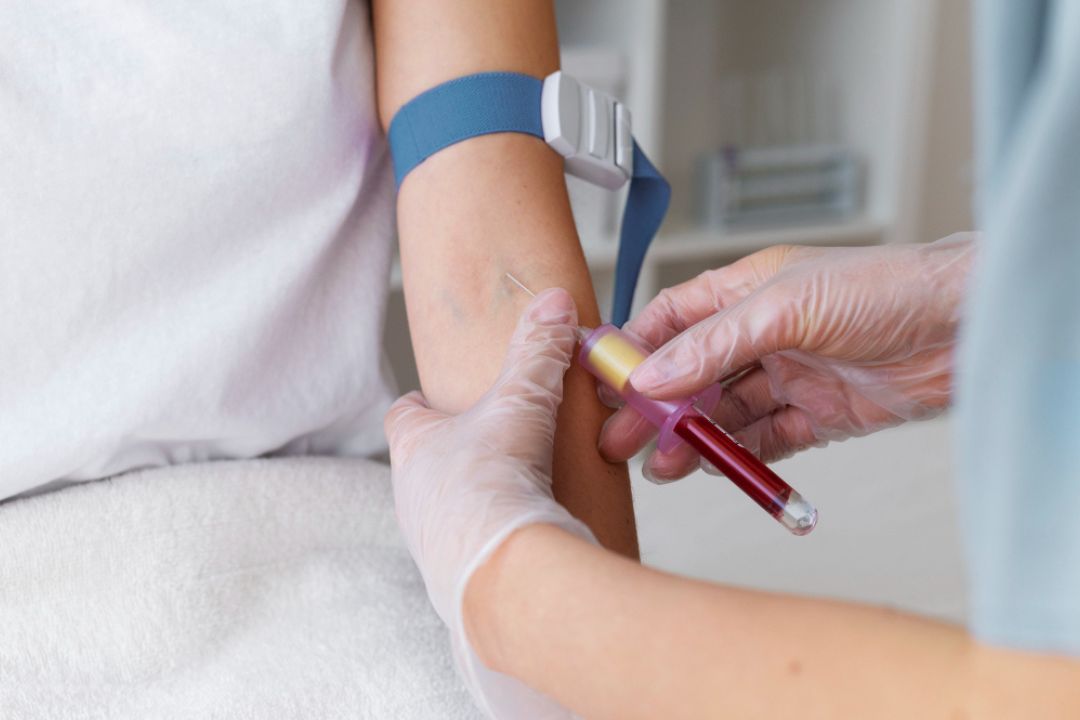
These tests are simple blood tests. No special preparation is usually required unless instructed by your healthcare provider.
Results are interpreted based on:
Your symptoms
Medical history
Other laboratory tests
Imaging findings
Elevated levels may indicate:
Acute infection
Chronic inflammatory disease
Tissue damage
Autoimmune disorders
Malignancy
However, these tests are non-specific, meaning they do not identify the exact cause of inflammation.
Low levels of negative acute phase reactants like albumin may suggest:
Chronic inflammation
Liver disease
Malnutrition
Kidney disorders
Your doctor evaluates these results alongside other findings.
It is important to understand:
They do not diagnose a specific disease.
Mild elevations may occur due to minor infections.
Levels can vary based on age, pregnancy, and chronic conditions.
These tests are most useful when interpreted in clinical context.
Acute phase reactants are proteins that change in response to inflammation in the body. Tests like CRP, ESR, ferritin, and fibrinogen help doctors detect inflammation, monitor infections, assess autoimmune diseases, and evaluate cardiovascular risk.
While these tests do not diagnose a specific disease, they are powerful tools that guide clinical decisions when interpreted alongside symptoms and other investigations.
If your doctor has advised an acute phase reactant test, it is usually to better understand the presence and severity of inflammation in your body.

















.jpg "diabetes")



.jpg "pcos lifestyle")























.jpg "FSH Test")






.jpg "urine potassium in hypokalemia")














.jpg "How to Prevent Hepatitis")

.jpg "Acute-Phase Reactants")
.jpg "Anemia: Causes")

.jpg "Manage Cirrhosis")

.jpg "Types of Tuberculosis")
.png "Tested for Multiple Myeloma")


 (1).jpg "Urine Cortisol Test at Diagnopein")
 (1).jpg "Aldolase & its role")
 (1).jpg "Beta-Thalassemia Major at Diagnopein")
.jpg "Typhoid treatment")
 (1).jpg "Kidney Stones Demystified")
 (1).jpg "Blood infection signs & diagnosis")
 (1).jpg "From HIV to AIDS")


.jpg "Multiple Myeloma")
 (1).jpg "Know about Chikungunya Fever")
.jpg "Diagnopein Stands Out")








 disorders.jpg "gastrointestinal (GI) disorders")





.jpg "symptoms of Chikungunya & How is Chikungunya diagnosed?")



.jpg "COMMON PATHALOGICAL BLOOD TESTS")
















.png "how to manage diabetes")